



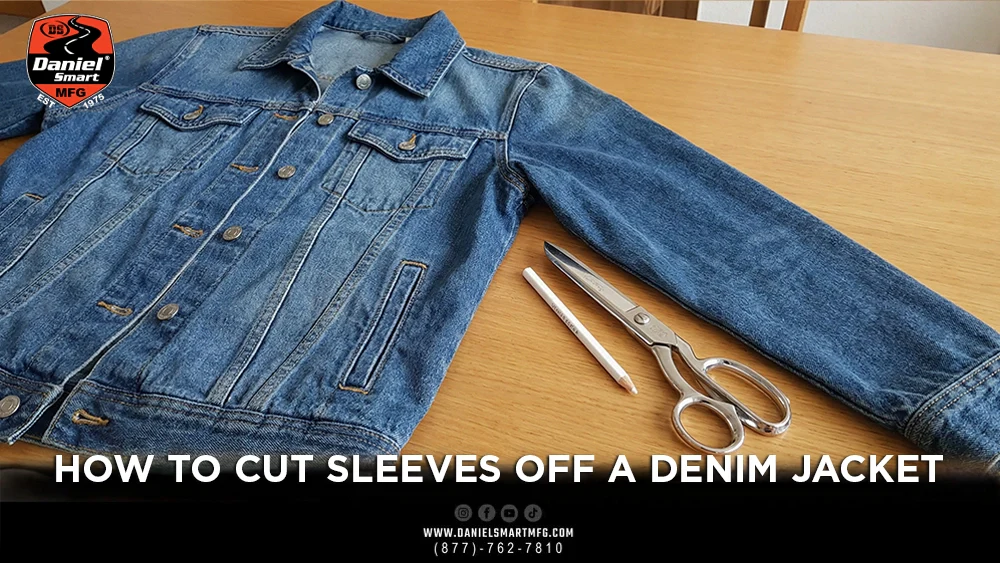
Do you have an old jacket sitting on the corner of your wardrobe? You can cut it and use it differently. We don’t mean to reduce it to a useless piece of clothing. But you can cut sleeves off a denim jacket and style it differently.
No one has to know that it was an old one. Whether you are planning for a rugged biker look or a laid-back festival vibe, a sleeveless jacket can do wonders. The denim vest is also known as "kutte" around the US. Besides, it is quite well known among riders. So, you would be breathing life into an old denim jacket and into a vintage style, too.
How to do it? Here are the steps for turning a denim jacket into a vest, in a guide.
Why Go Sleeveless?
Before you grab your scissors, you must know the style that has stood the test of time. Be it southern rock musicians or motorcycle club riders, it is a well-embedded style in America. You may have seen many people layering any of the biker jackets with a vest, which is probably a cropped denim jacket. To create this style, you don’t need a new one; you can crop a denim jacket you have in your wardrobe.
All you need is some tools and 20 minutes of your time. And of course, some tools for the best way to remove sleeves from a jean jacket
What You'll Need: Tools for the Job
Get the following tools and supplies:
-
Old denim jacket or get one from a thrift store.
-
Seem ripper or sharp scissors
-
Chalk or marker (washable).
-
Masking tape.
-
Measuring tape
-
Flat surface
-
Sandpaper (80–120 grit) for distressing (optional)
Step-by-Step: How to Cut Sleeves Off a Denim Jacket
Once you have the right tools, just follow the DIY sleeveless denim jacket tutorial below:
Step 1: Choose the Right Jacket
Remember that not every denim jacket is suitable for this sleeveless treatment. So, you need to be careful. See the jacket that has a structured shoulder seam. This will help you achieve a more polished silhouette for the vest after removing the sleeves. Classic trucker-style jackets often work the best.
Never use the stretch denim or jackets with decorative stitching. They will not turn out fine.
Step 2: Mark Your Cut Line
Keep the jacket flat on the surface. Get the chalk or masking tape. Then, draw a line along the shoulder seam. This is the area where the sleeve connects to the body of the jacket. If you want a cleaner finish, you must cut right along the seam line or just a bit inside it.
But if you want a rugged look, try cutting about half an inch outside the seam.
Further, give it time to fray.
Step 3: Make the Cut
When it comes to transforming a denim jacket into a vest, this step is key. Grab your fabric scissors and carefully cut along the marked line, taking your time. Tackle one sleeve at a time and make sure the jacket stays flat so your cuts stay even.
If you’re cutting along the seam, using a seam ripper to loosen the stitching can make it simpler. This method is the most effective way to take off the sleeves without hurting the shoulder area.
Step 4: Finish the Armhole Edge
After you've taken off both sleeves, you can go about finishing the edge in a couple of different ways:
-
Raw or Frayed Edge: Just leave the cut as it is and give the jacket a wash. The denim will fray a little, giving it that cool, worn-in biker vibe.
-
Clean Edge: If you want a tidier look, fold the raw edge over by about half an inch, then either use fabric glue or hand-stitch it down. This option is great if neatness is your thing.
Step 5: Distress (Optional but Popular)
To get the authentic worn look, you can rub the armhole edges with sandpaper, but be gentle. You can add a distressing touch anywhere you want. This style is popular among people who layer their vests over men’s denim motorcycle jackets or hoodies.
How to Style Your New Sleeveless Denim Jacket
Once you’re done with the cut, you can really get creative with styling.
Here are some trendy ways people in the U.S. are currently rocking their denim vests:
-
Throw it over a graphic tee and some slim jeans for that classic rock vibe.
-
Layer it over a flannel shirt, perfect for fall tailgates or outdoor festivals.
-
Pair it with one of the leather motorcycle jackets for an edgy biker look. If you want more ideas, check out our complete guide on styling denim jackets.
-
Customize it with patches, pins, and embroidery to reflect your personal style.
And if you're curious about which jacket styles fit different personalities and occasions, take a look at our detailed breakdown of leather jacket types.
Caring for Your Cropped Denim Vest
After you crop a denim jacket, you'll want to give it some extra attention. Those raw edges might keep fraying in the wash, which can either be a cool vibe or an issue, depending on how you want it to look.
To help minimize fraying, it’s a good idea to turn the jacket inside-out and wash it in cold water. If you're looking for more tips on taking care of your denim, check out our guide on how to wash a denim jacket.
Conclusion
Cutting the sleeves off a denim jacket is such a fun and affordable DIY project you can easily do in an afternoon. Whether you're putting together a whole biker look or just sprucing up your summer wardrobe, being able to crop a denim jacket is a handy skill that pays off season after season.
Once you get the cut right, don't forget to check out our guide to styling a denim jacket. We've got plenty of outfit ideas to inspire you.
For premium biker-inspired apparel and high-quality gear, explore Daniel Smart MFG's collections to upgrade your overall look.
So, dig out that jacket you’ve been keeping in the back of your closet; it’s time to give it a new lease on life.
FAQs
-
What tools are needed to cut sleeves off a denim jacket?
You need sharp fabric scissors, chalk for marking, and a measuring tape for accuracy. Optional tools include a seam ripper and pins for cleaner results.
-
How can I prevent fraying after cutting denim sleeves?
To prevent fraying, fold and sew the edges or apply fabric glue along the cut. You can also leave slight fraying for a stylish, distressed look.
-
Can a denim jacket be altered without damaging the fabric?
Yes, a denim jacket can be altered safely by using proper tools and careful cutting techniques. Measuring and marking beforehand helps avoid mistakes and fabric damage.