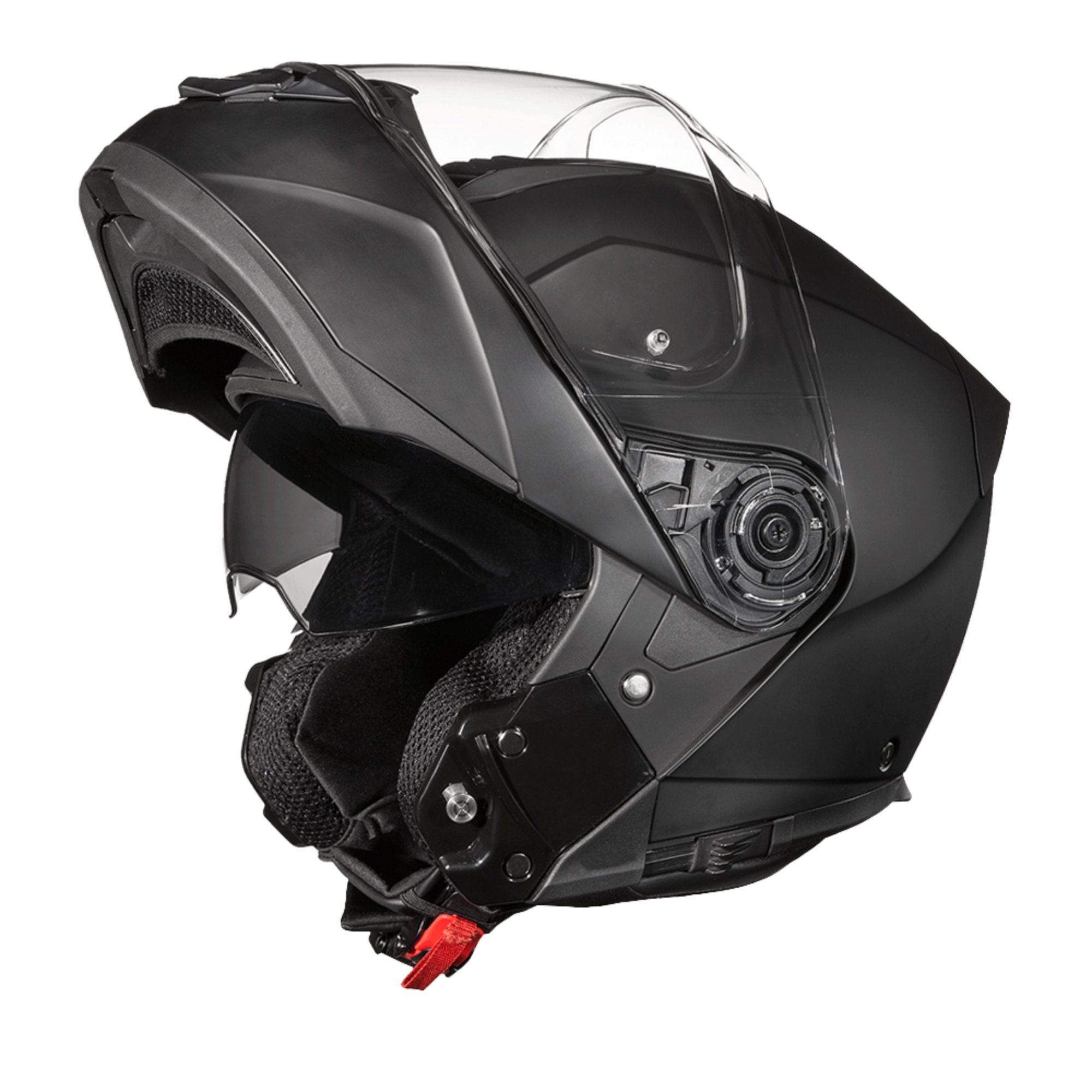
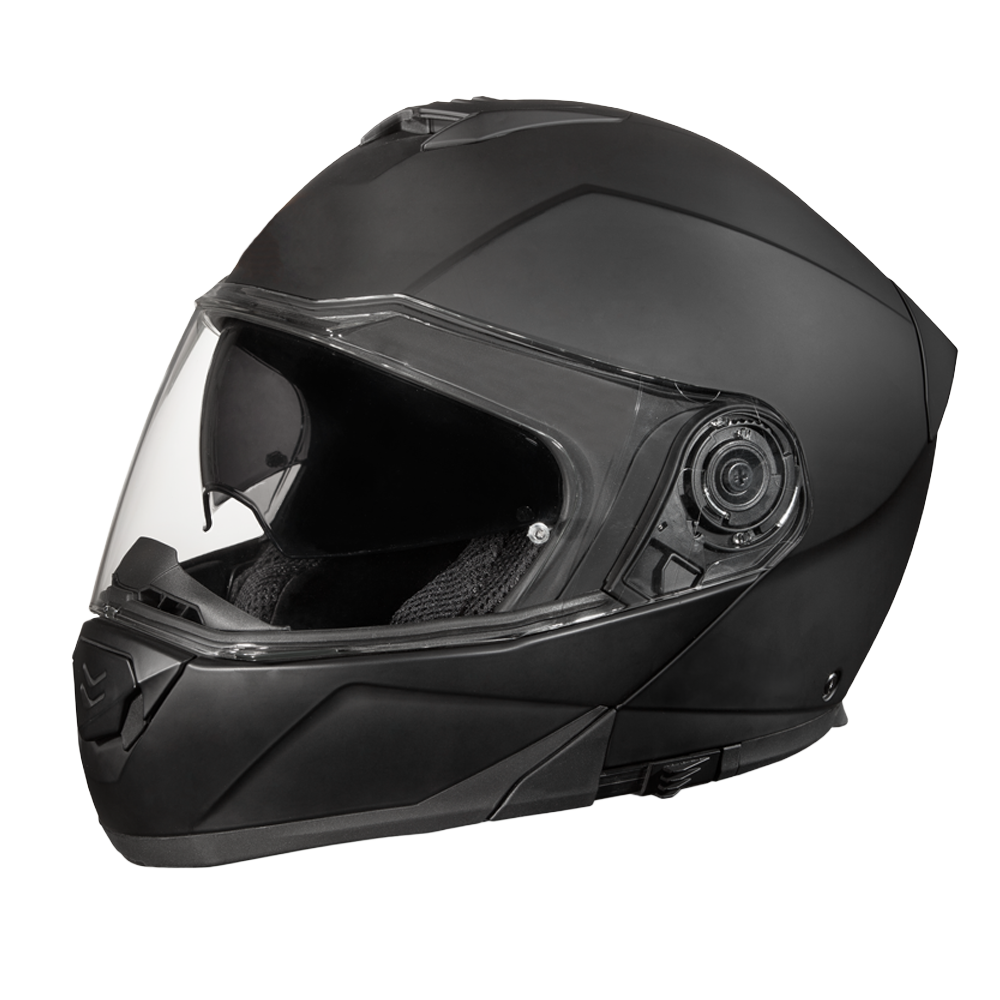
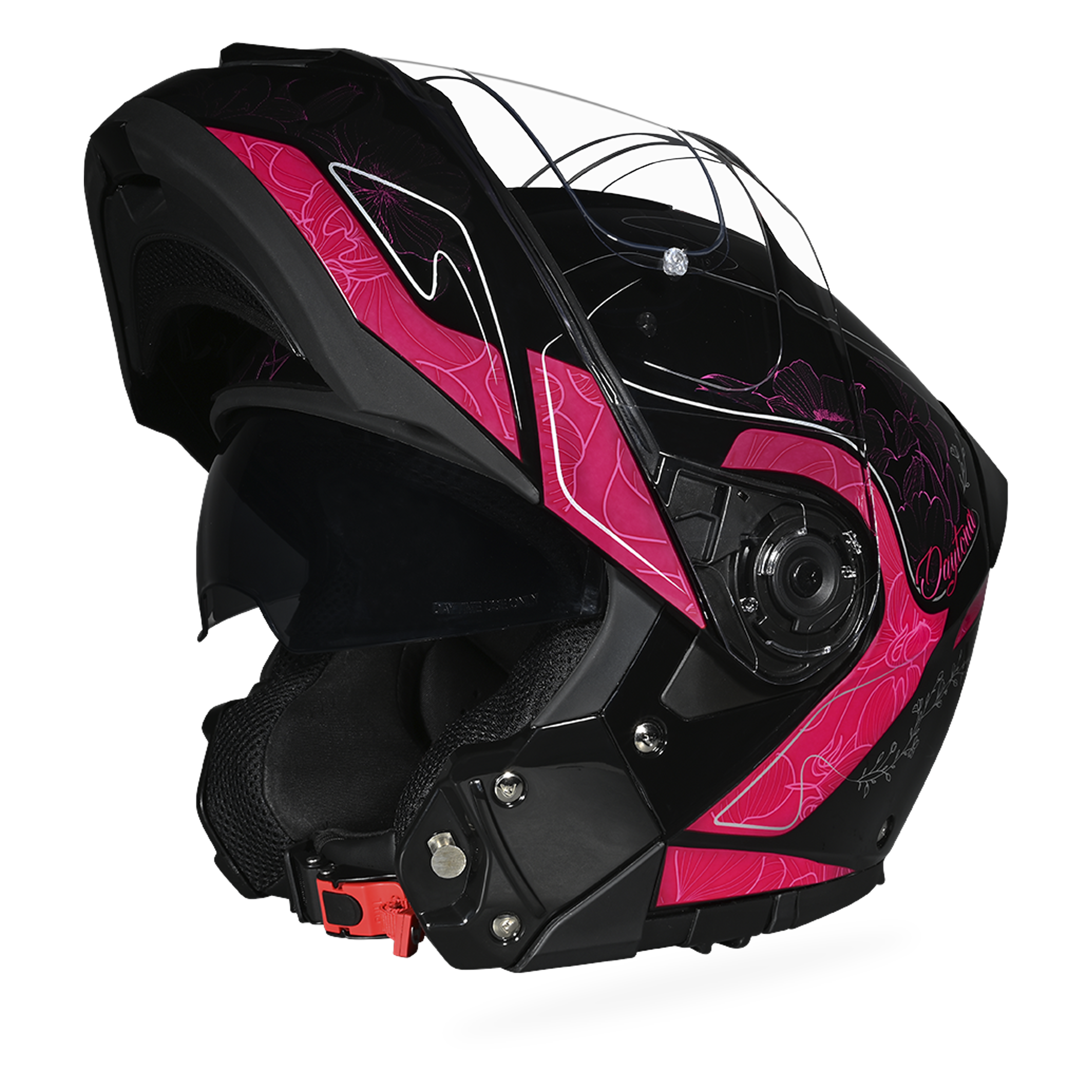
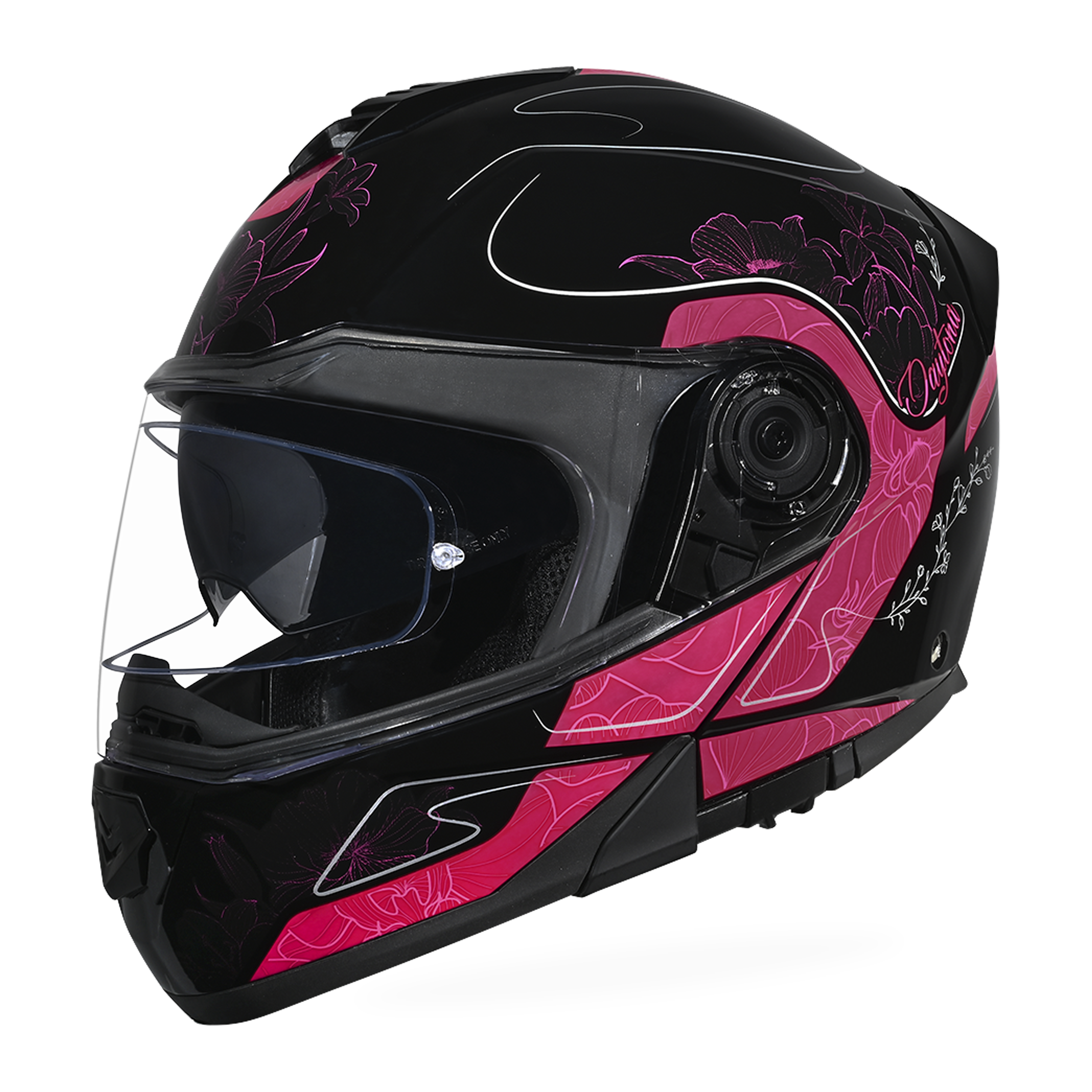
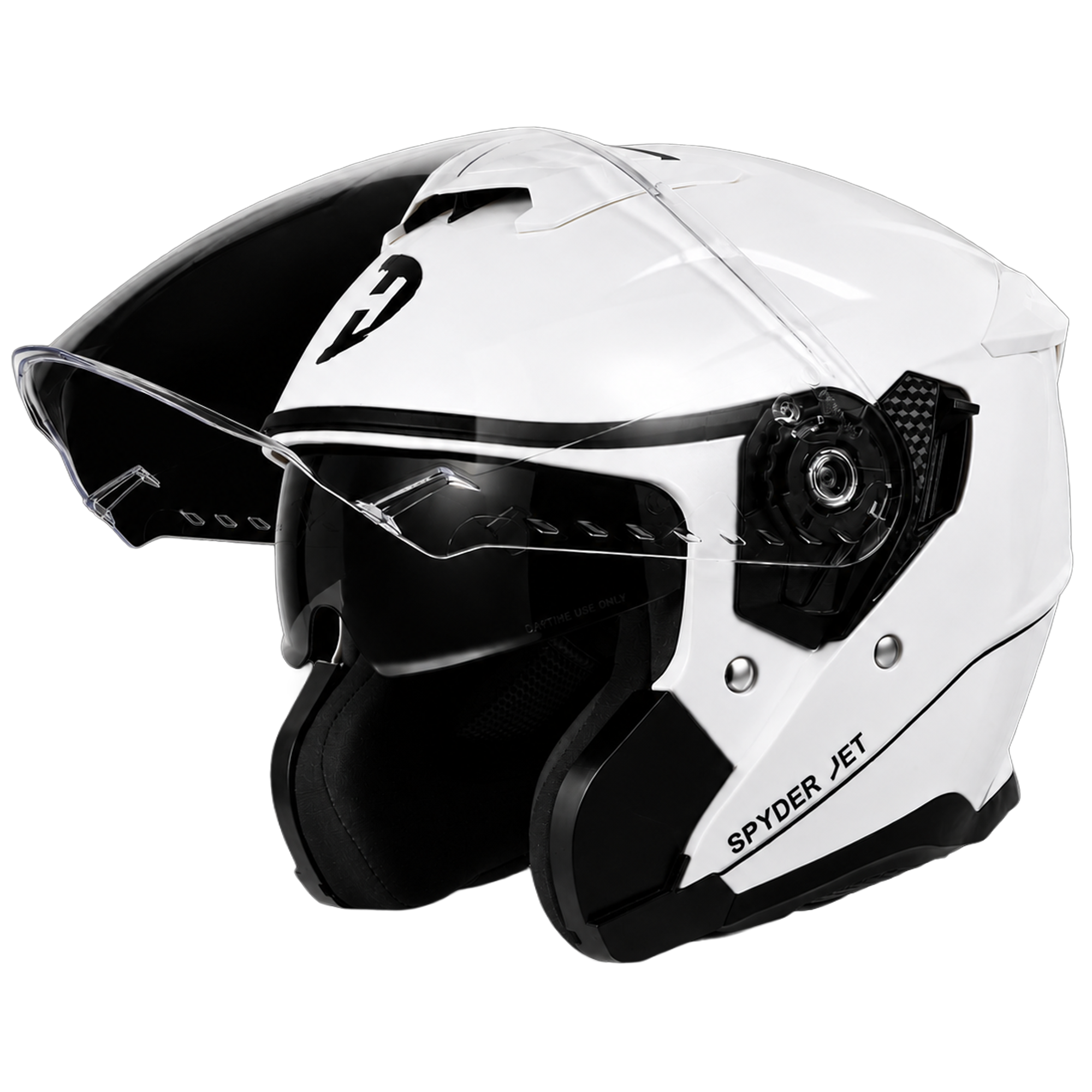
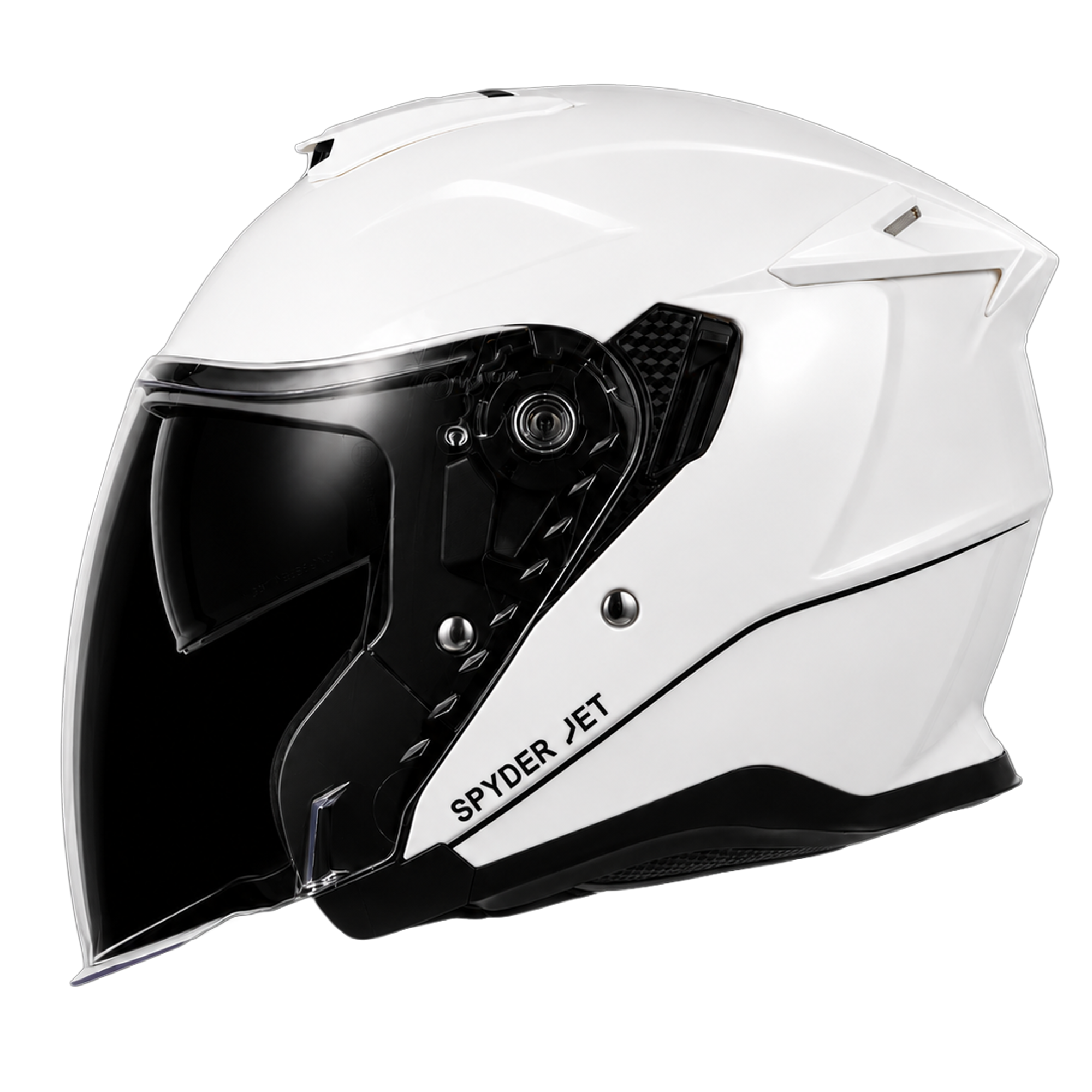
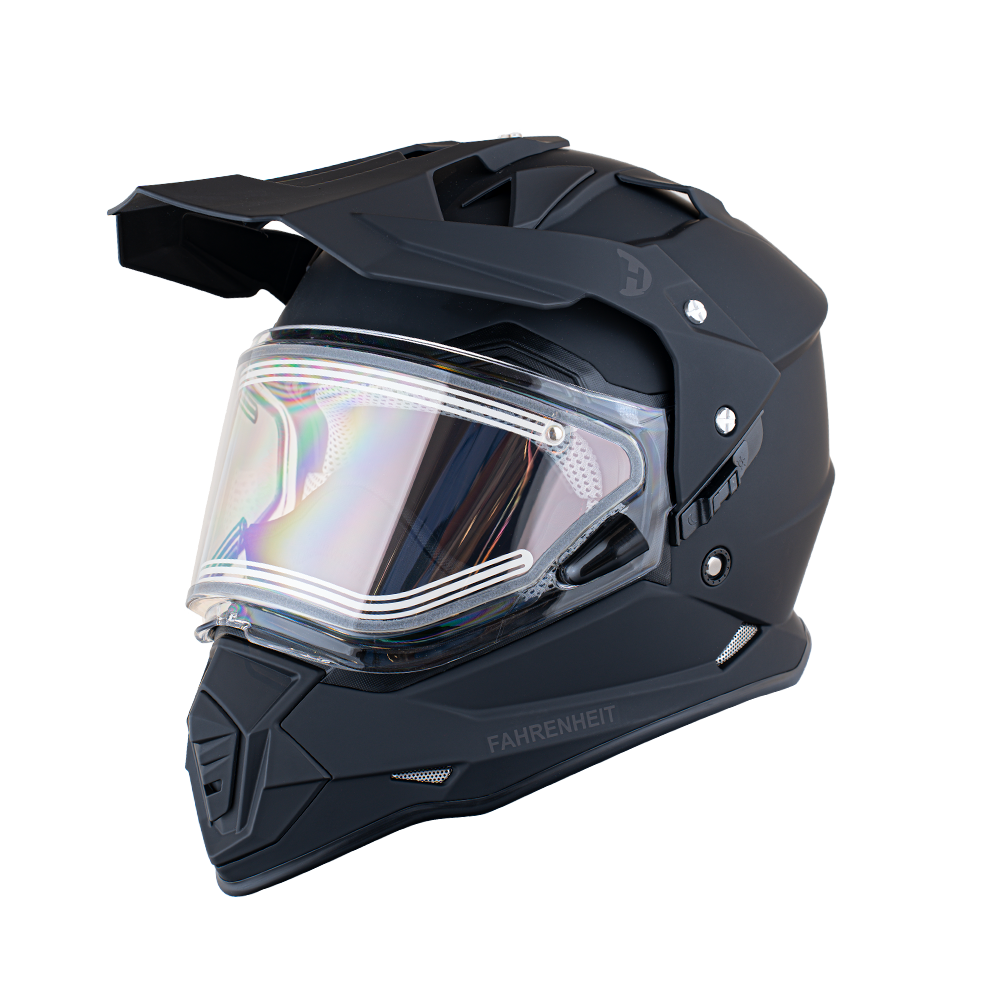
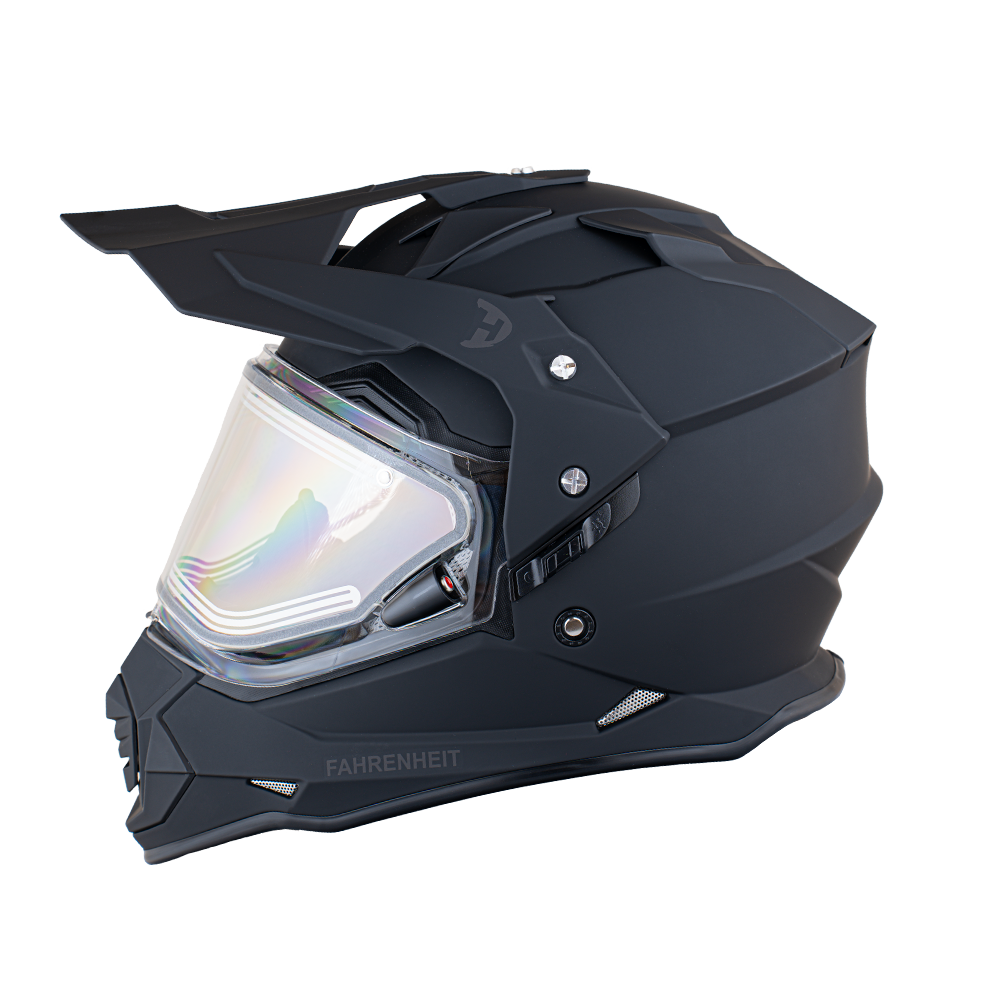
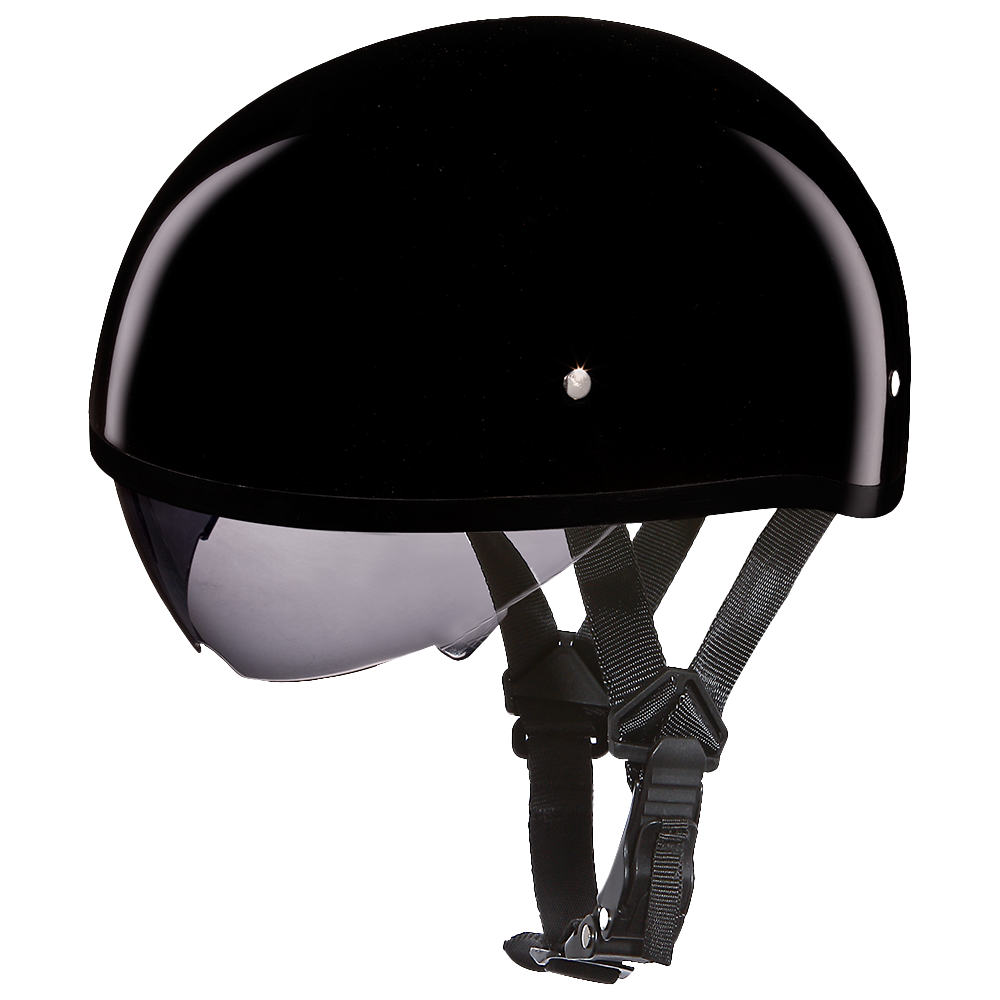
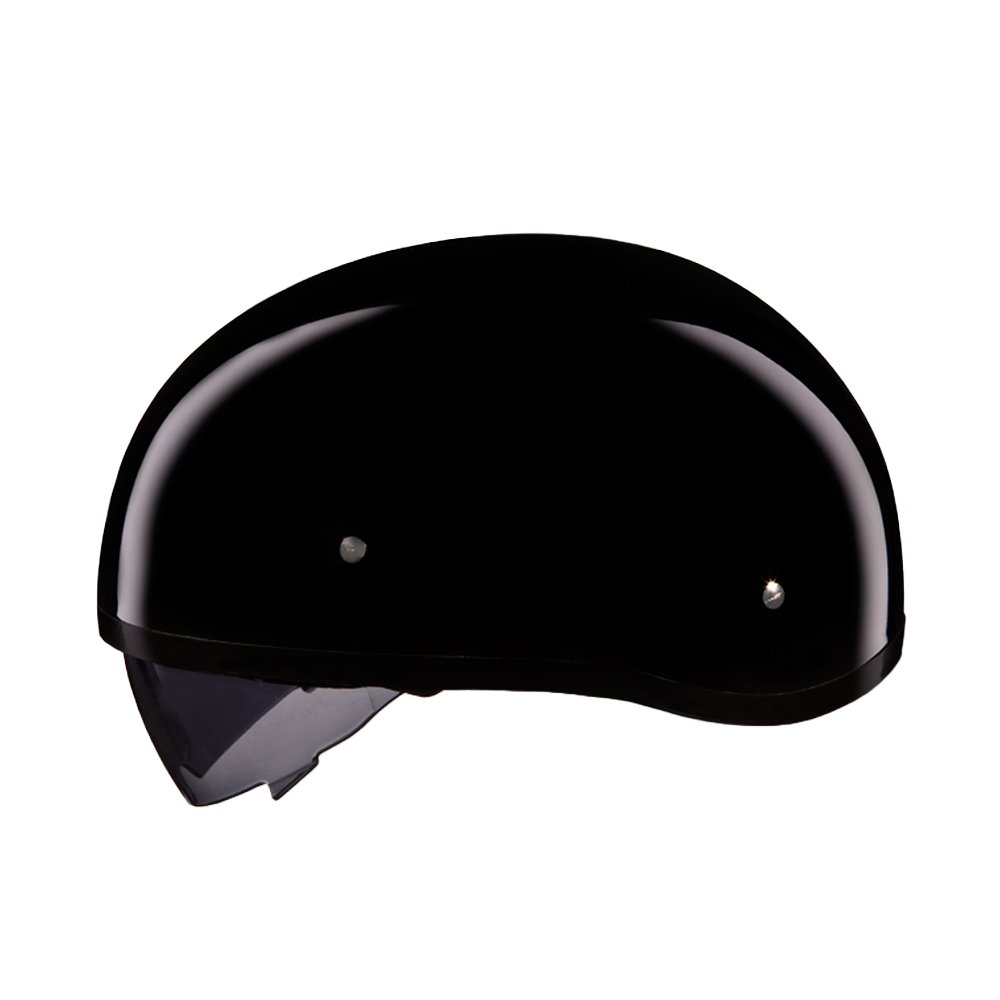
DOT Motorcycle Helmets: Certified Protection, Built for Riders
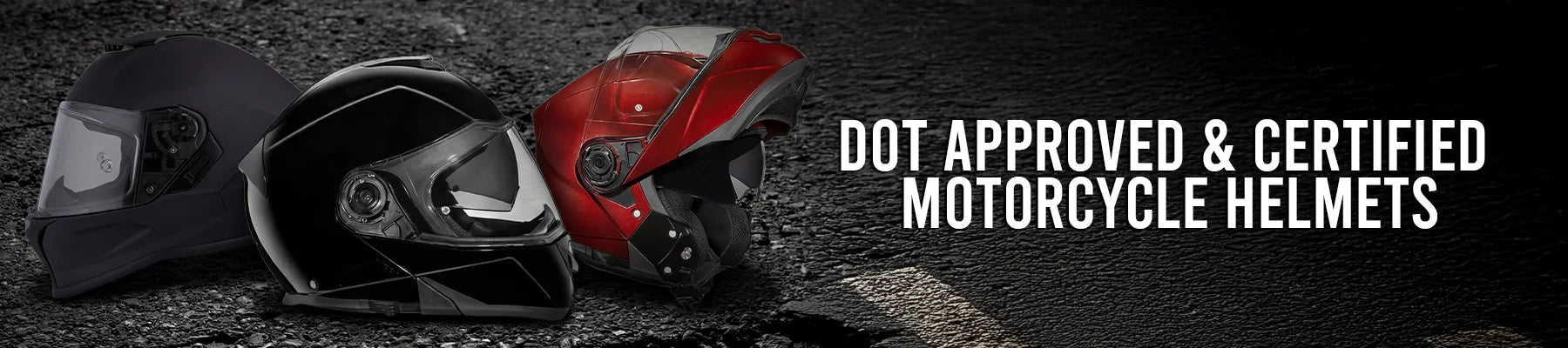
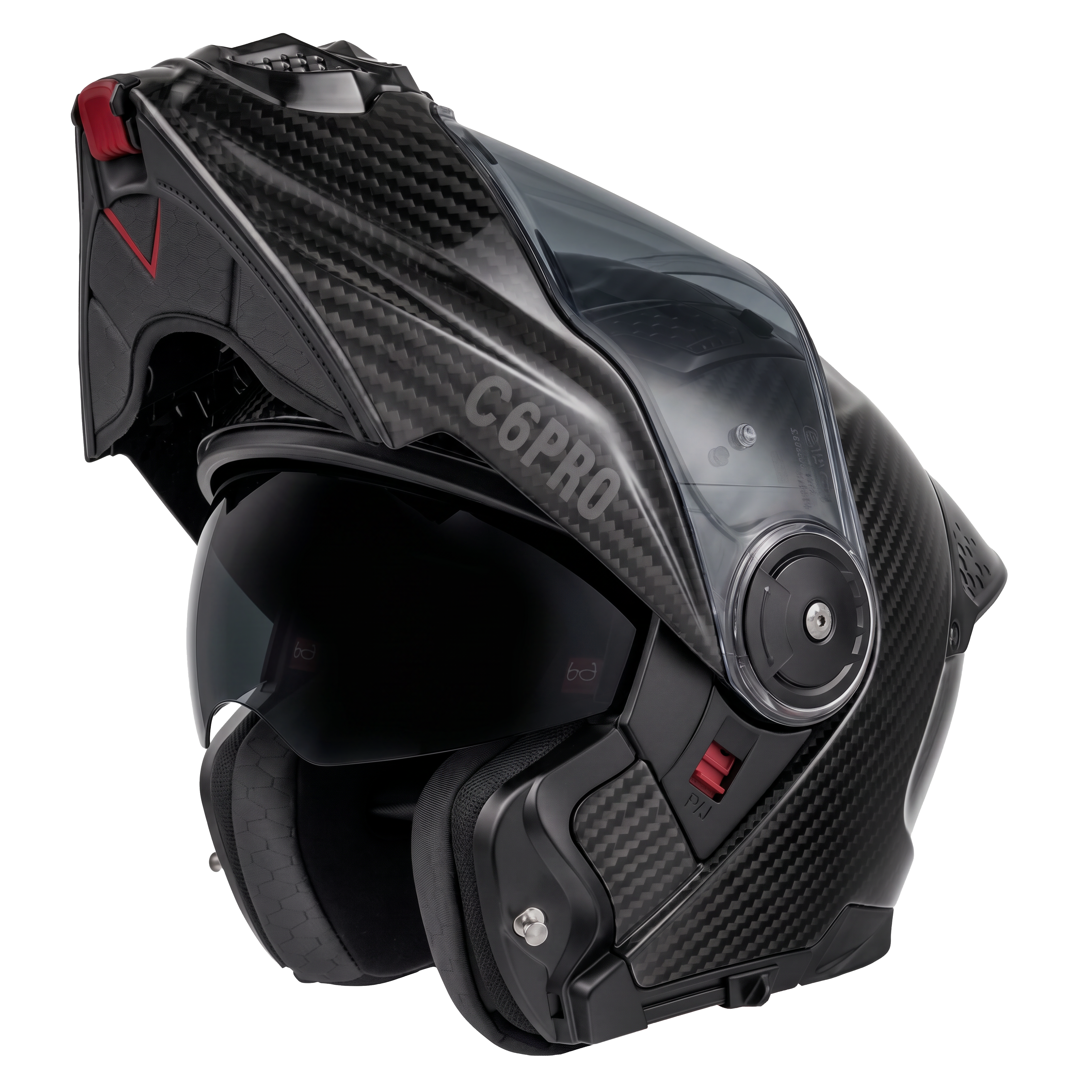
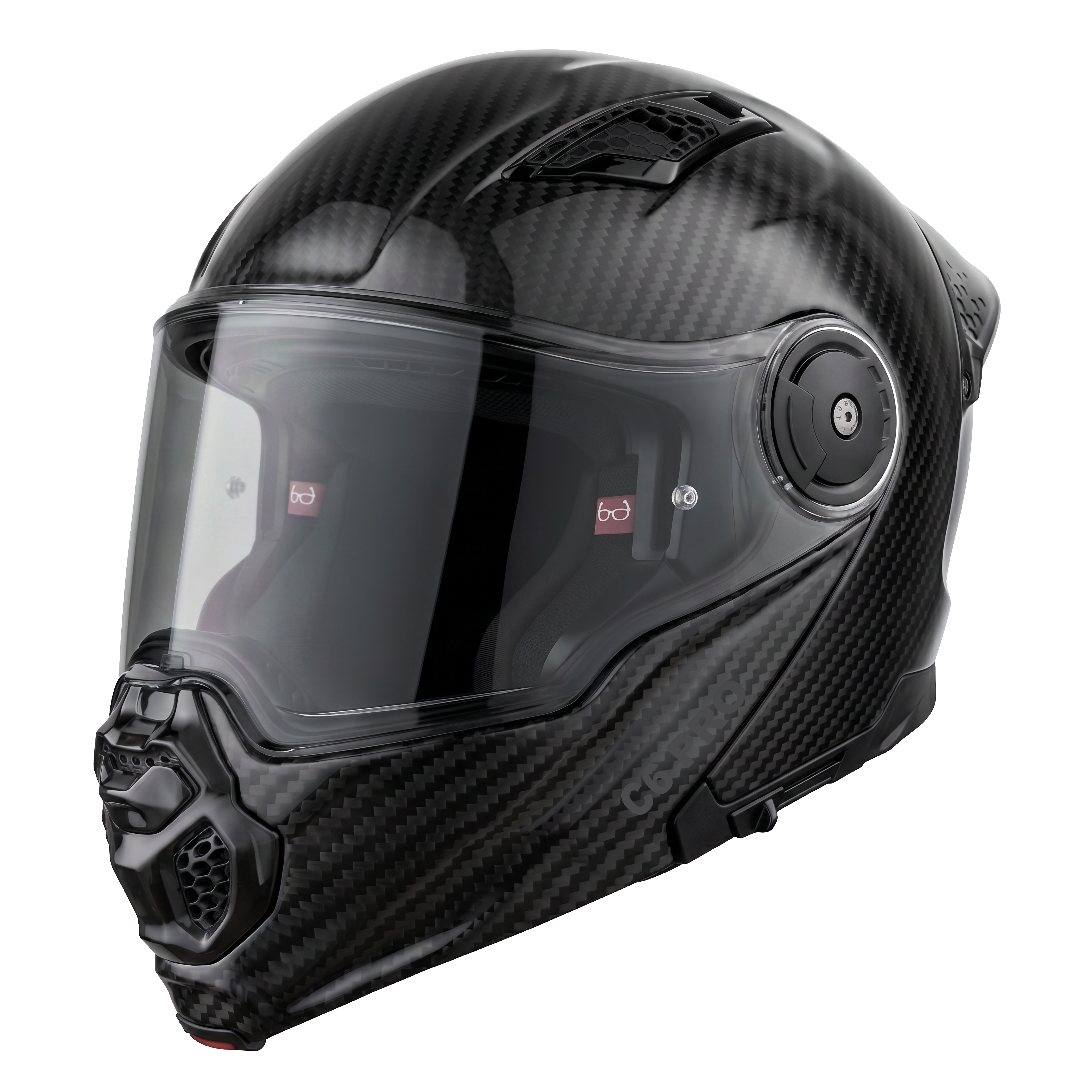
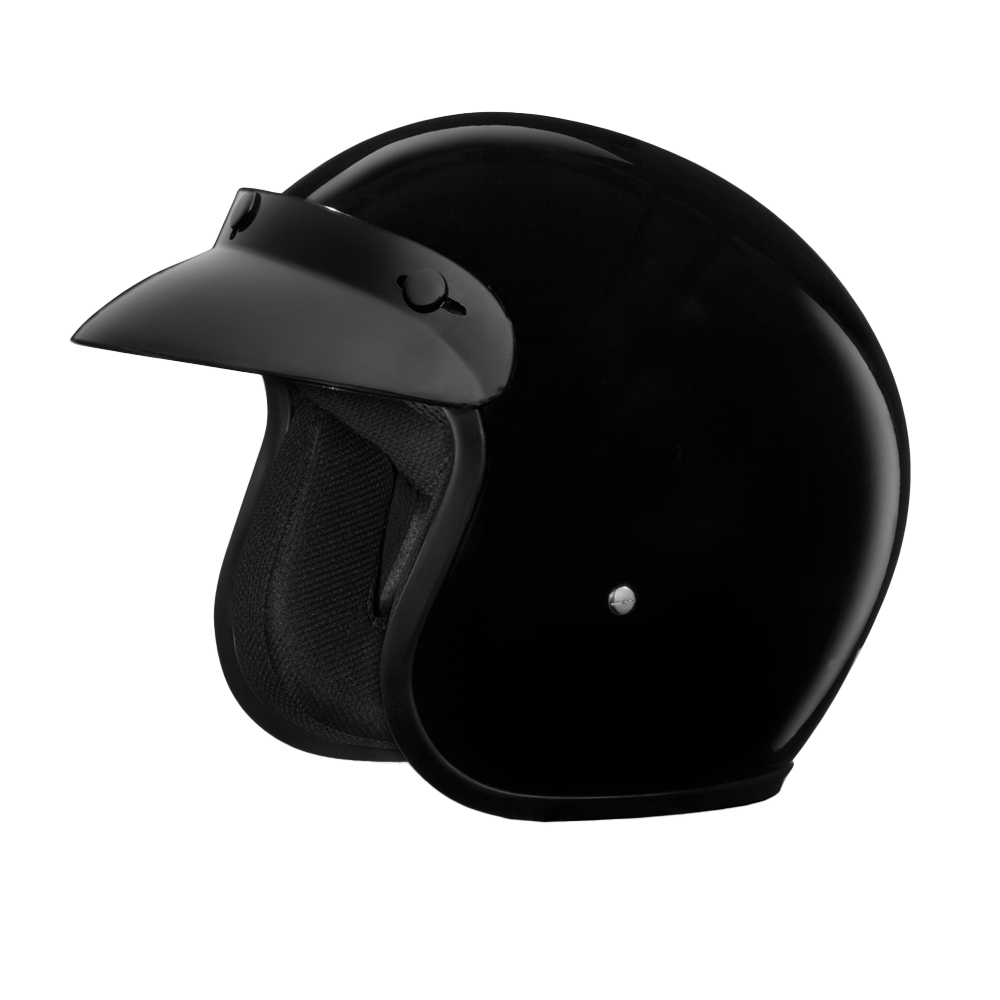
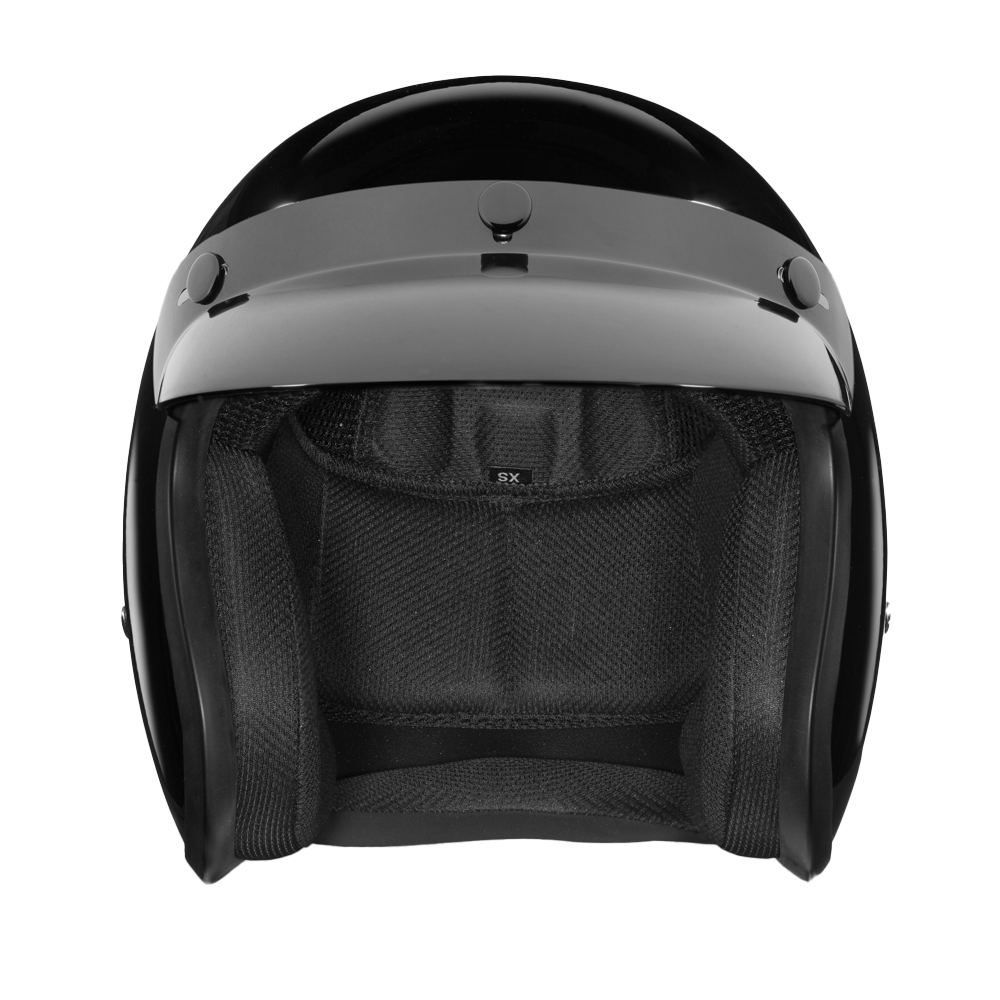
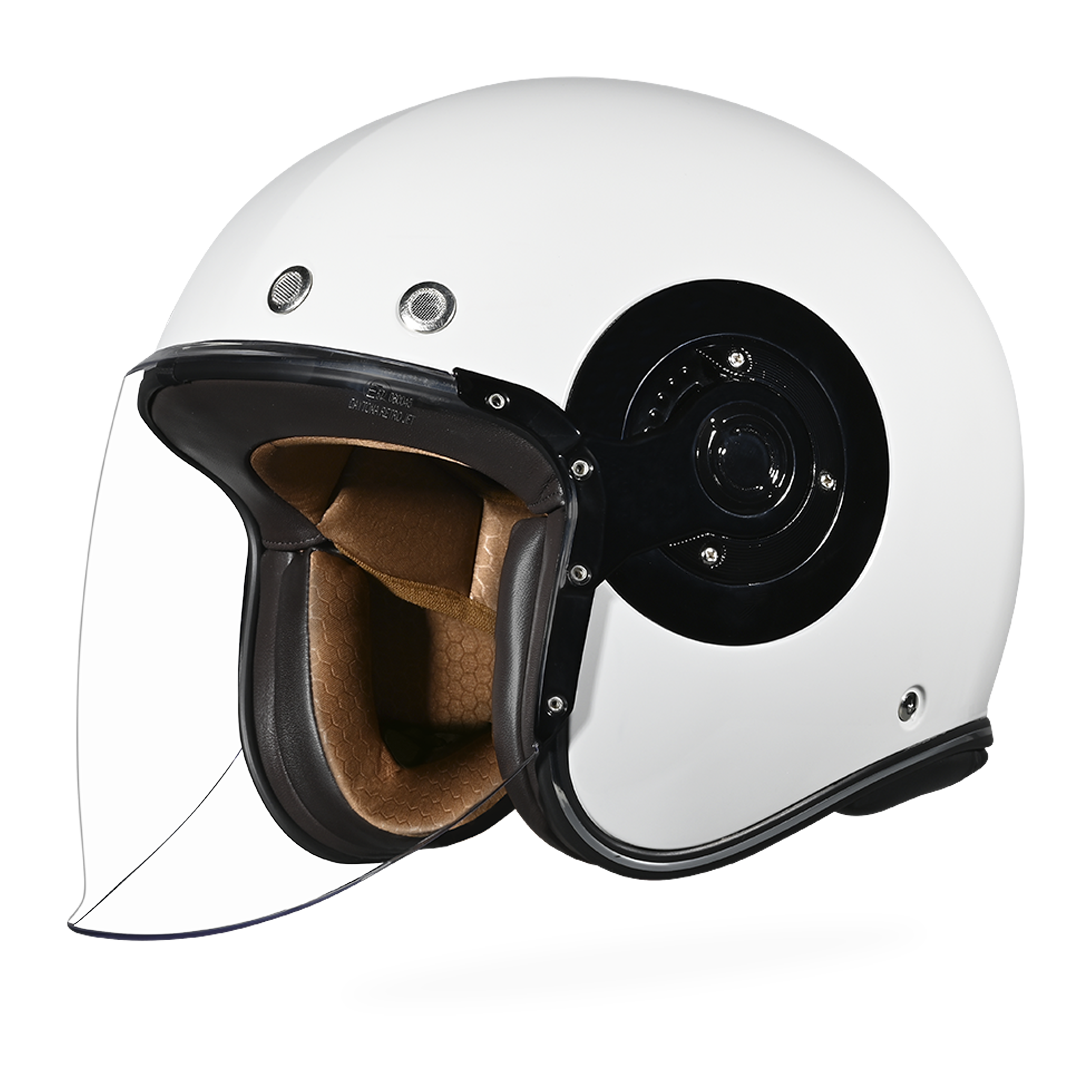
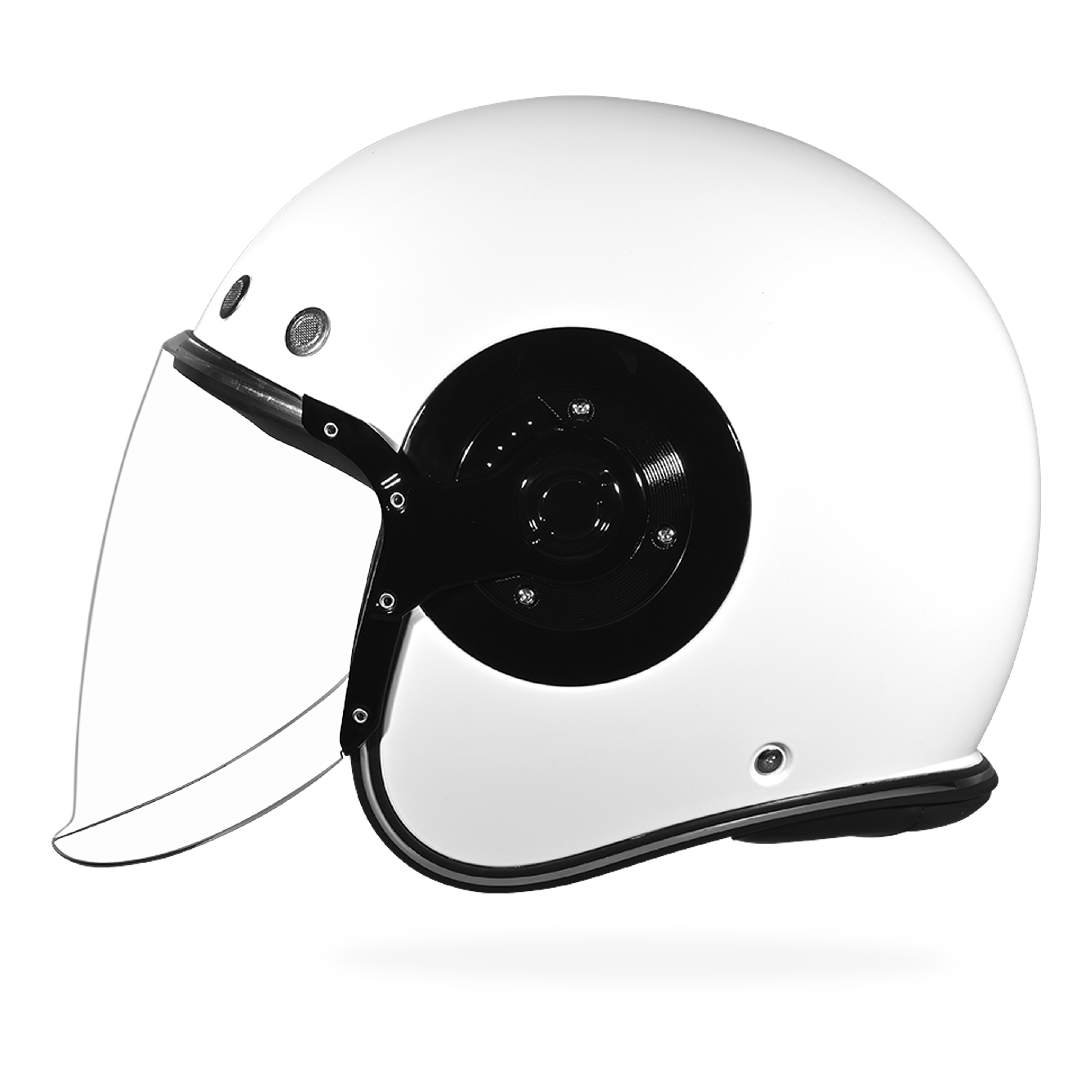
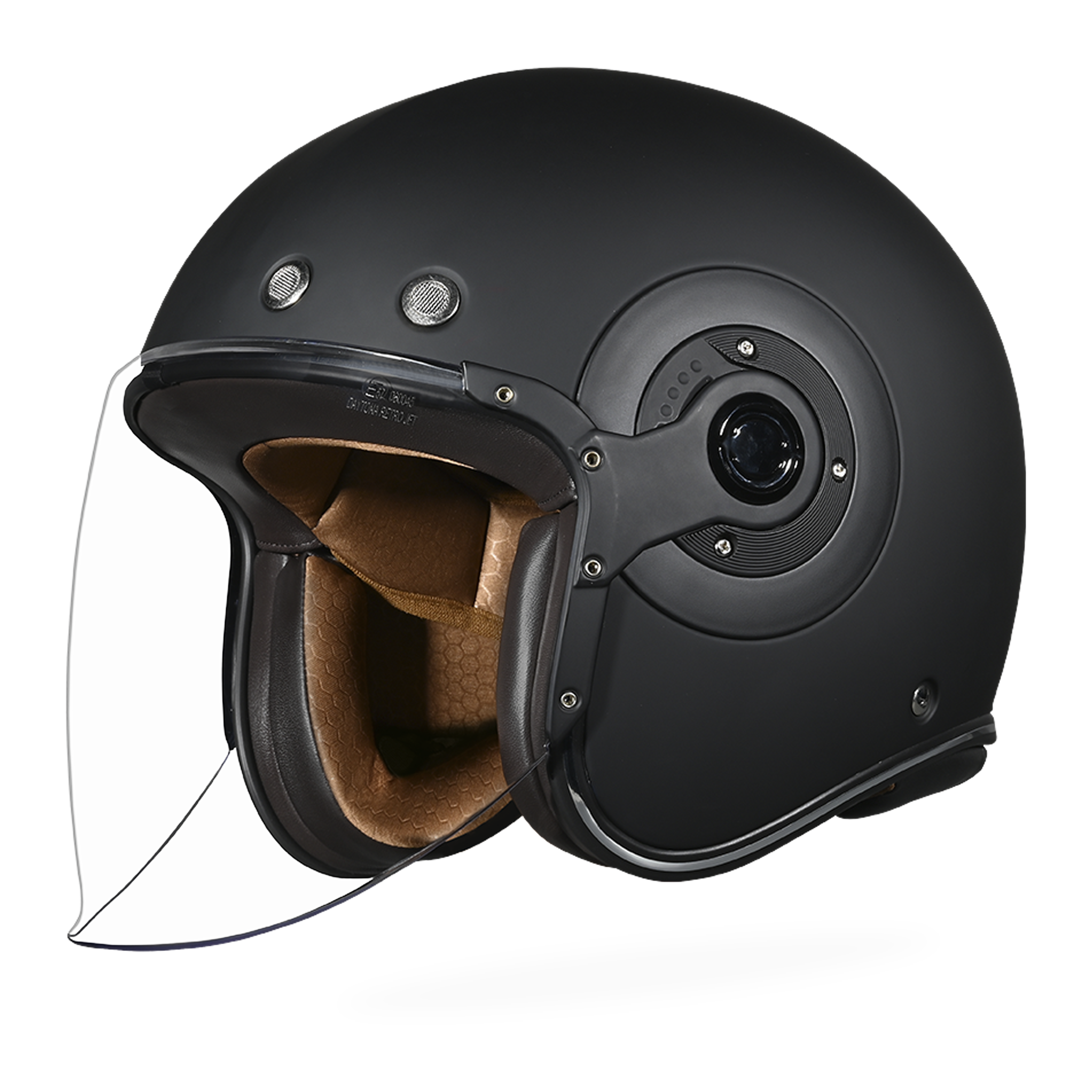
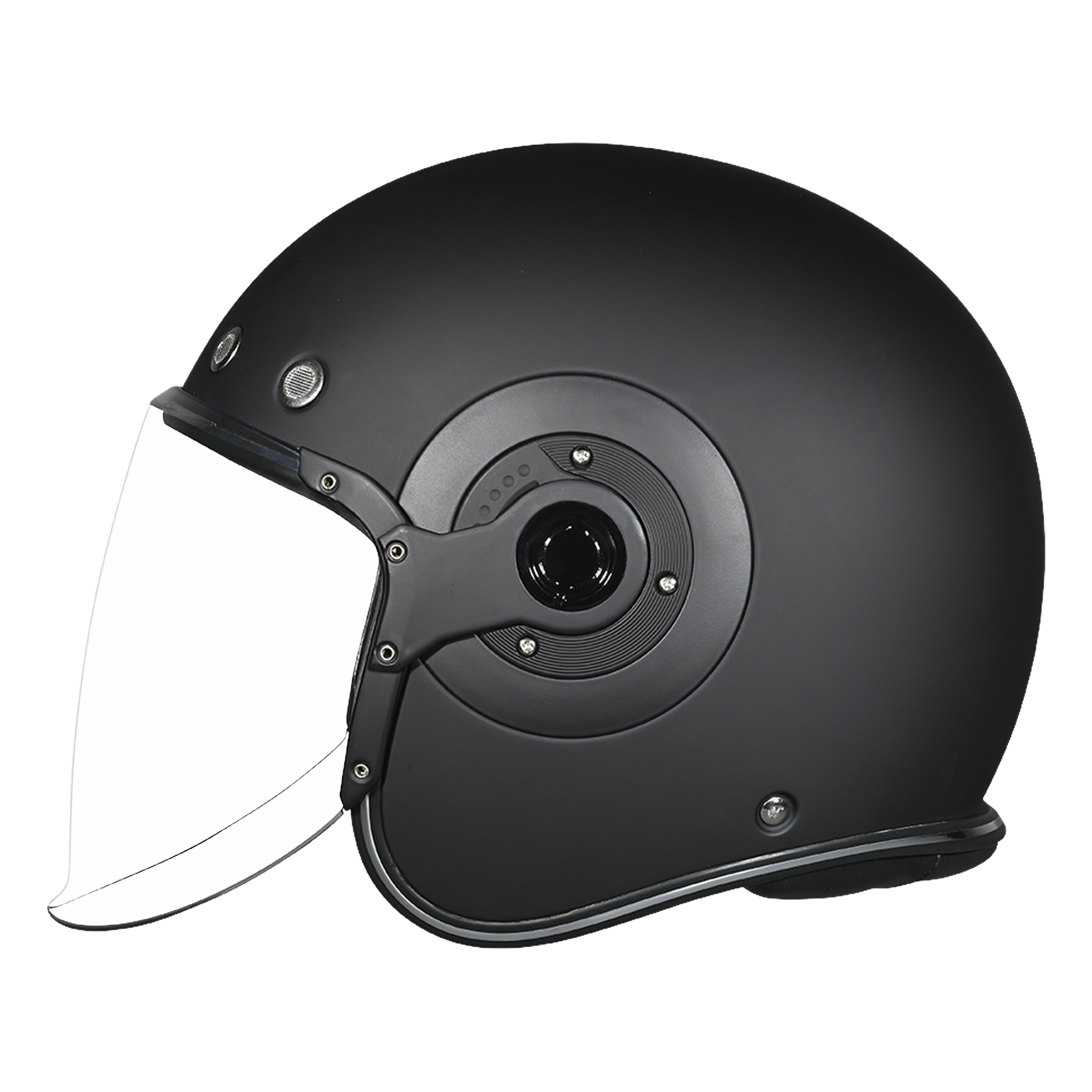
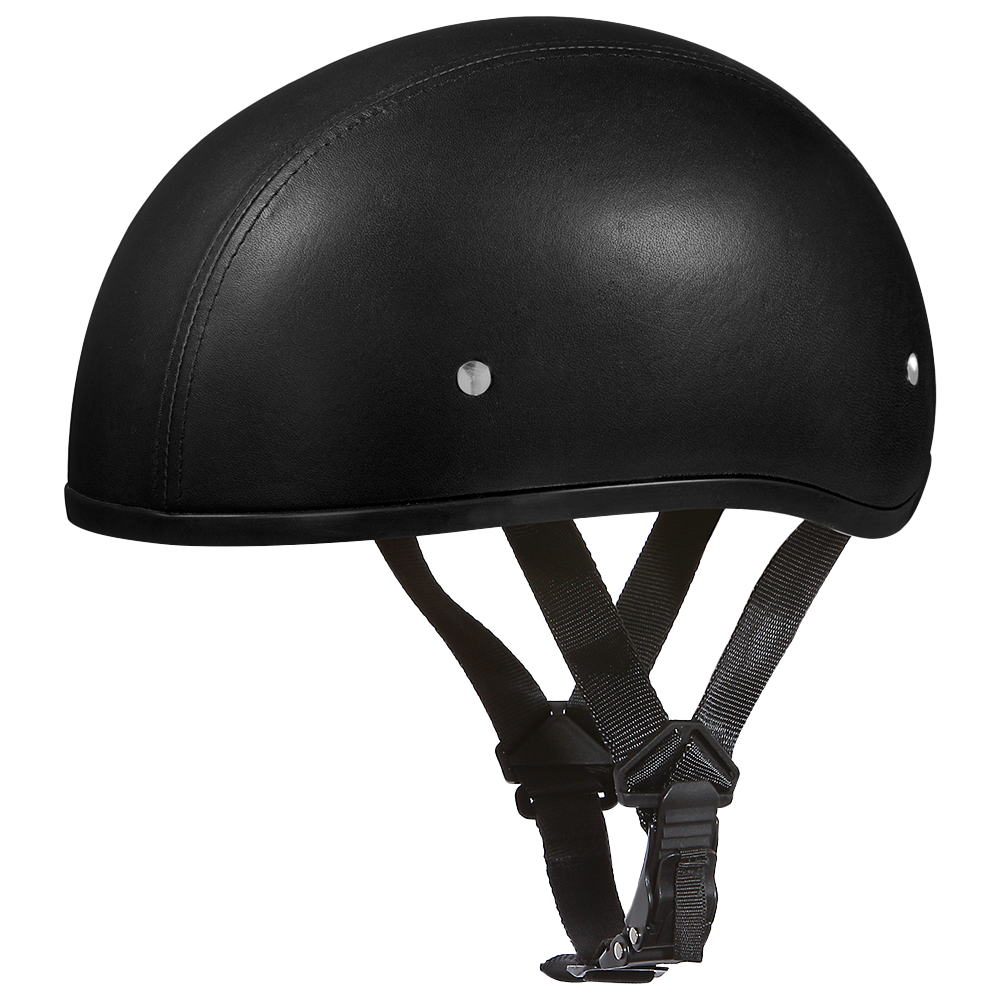
Daniel Smart Manufacturing supplies DOT-certified motorcycle helmets in half, 3/4 shell, full-face, modular, and German styles from the Daytona and Micro DOT lines. Every helmet meets or exceeds DOT FMVSS 218 standards, ships free on orders over $99, and is backed by our lifetime warranty and 30-day easy return policy. We select and stand behind every helmet we sell, so you can acquire a certified, warrantied helmet without having to do your own research on the manufacturer.
The History of DOT Motorcycle Helmets
In the early days of motorcycling, riders wore little more than leather caps or goggles, offering minimal protection against impact. In 1953, neurosurgeons C.F. Rowbotham and Hugh Cairns published research showing a significant reduction in head injury severity among crash victims who had been wearing helmets — findings that helped drive the push toward standardized helmet safety.
In 1957, the first certified motorcycle helmet was introduced under British Standard 1869. After the U.S. Congress passed the Highway Safety Act in 1966, states began adopting their own helmet laws, and by 1974, the Department of Transportation had established the FMVSS 218 standard — the same DOT certification you'll find on every helmet in this collection today.
Modern DOT helmets reflect decades of impact testing and real-world crash data. What started as a leather cap is now an engineered shell — typically ABS or polycarbonate — paired with an EPS foam liner designed to absorb and disperse impact energy. Daniel Smart MFG especially chooses helmets from our Daytona and Micro DOT lines because they have the same tested and approved construction, meaning that the history of DOT regulations translates into practical protection on the helmet you wear.
What DOT Certification Actually Means?
DOT (Department of Transportation) certification is the federal safety standard every motorcycle helmet must meet to be legally sold for road use in the U.S. FMVSS 218 testing covers three areas: impact attenuation, penetration resistance, and retention system (chin strap) strength. A helmet without a genuine DOT sticker inside the shell has not passed these tests and cannot legally be sold as road-use protection.
DOT vs. ECE: Which Certification Do You Need?
Riders often see ECE 22.05 or ECE 22.06 mentioned alongside DOT and aren't sure how the two relate.
DOT (FMVSS 218) is the U.S. federal standard, self-certified by the manufacturer, with compliance audited by the National Highway Traffic Safety Administration (NHTSA). This is the only certification legally required to ride in the United States.
ECE 22.05/22.06 is the European standard, required for road use across the EU, UK, and many other countries. Unlike DOT, it requires independent third-party lab testing before a helmet can carry the label.
A DOT sticker alone satisfies U.S. law. If you plan to ride internationally, check your destination's required standard — DOT certification may not be recognized outside the U.S.
How to Avoid Counterfeit "DOT-Approved" Helmets?
Because DOT compliance is self-certified rather than pre-verified by a third party before sale, counterfeit "novelty" helmets with fake DOT stickers exist on the market, and they offer no real crash protection. Before you buy from anyone, check for:
A sticker that reads "DOT FMVSS No. 218 CERTIFIED" with a manufacturer name and model number — not a generic "DOT" logo alone.
Shell weight and thickness appropriate to the style — a full-face or modular helmet that feels unusually thin and light for its category is a warning sign regardless of labeling.
A thick, multi-layer EPS foam liner beneath the comfort padding, not just fabric-covered foam.
Solid metal rivets on the retention strap, not decorative plastic hardware.
A retailer that stands behind the product with a real warranty and clear return policy — every Daniel Smart helmet carries our lifetime warranty and 30-day return window for exactly this reason, so a bad fit or a defective unit isn't on you.
Motorcycle Helmet Laws by State
DOT sets the safety standard for helmets sold in the U.S. — whether you're legally required to wear one is a separate question decided by each state. Helmet laws generally fall into three categories: universal laws (all riders, all ages), partial laws (riders under a set age, sometimes with adult exemptions tied to insurance or training), and no-law states.
Only three states currently have no statewide helmet requirement: Illinois, Iowa, and New Hampshire — and even there, riders under 18 are often still required to wear one. States commonly cited as universal-law states include California, New York, Georgia, North Carolina, Oregon, Washington, and Virginia, among others.
A few things worth knowing before a multi-state ride:
Once you cross a state line, that state's law applies immediately — leaving a no-law state and entering a universal-law state means you need a DOT-approved helmet on before the border.
In universal-law states, a non-DOT novelty helmet does not satisfy the legal requirement, and officers are trained to spot non-compliant helmets.
Helmet laws change periodically. Confirm current requirements with your state DMV or the Governors Highway Safety Association before a trip rather than relying on an old list.
Shop by Helmet Style
Style
Coverage
Best For
Daniel Smart Line
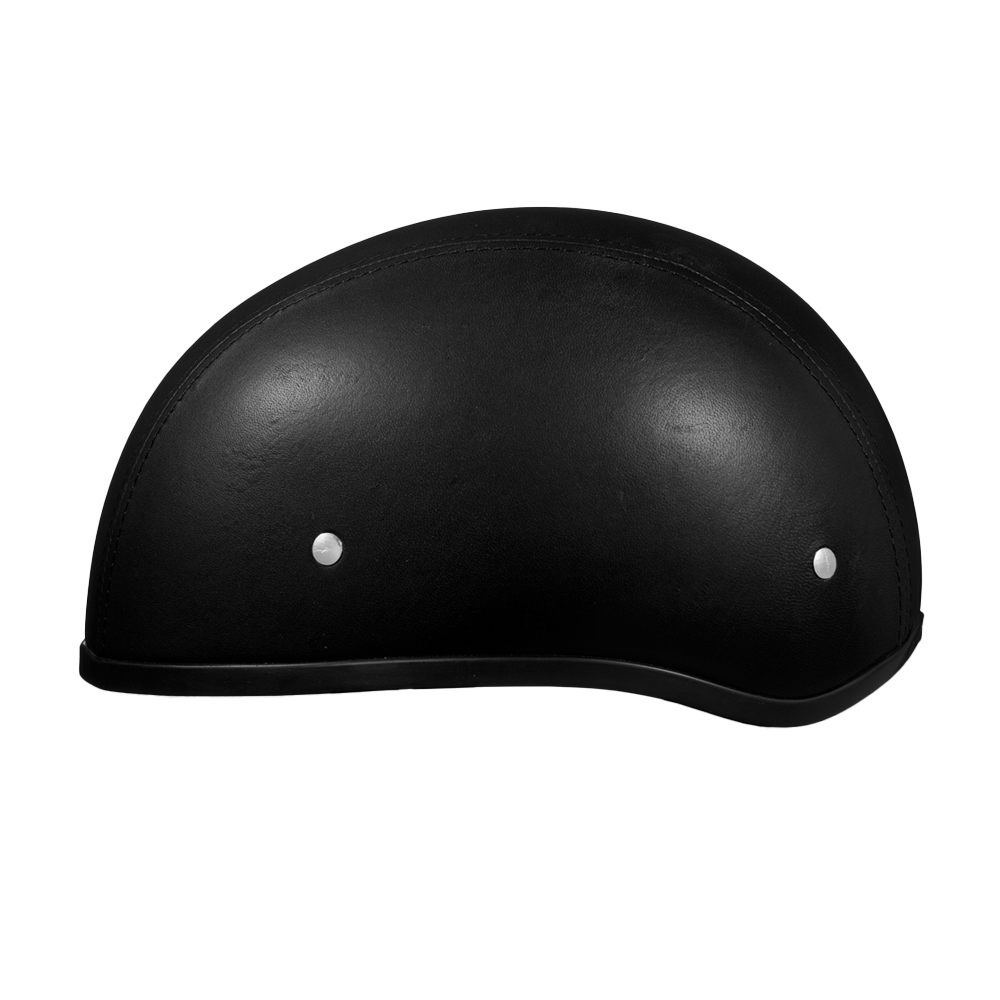
Half Shell / Skull Cap
Top of head only
Warm-weather cruising, max visibility, lightest option
Daytona Slim Line
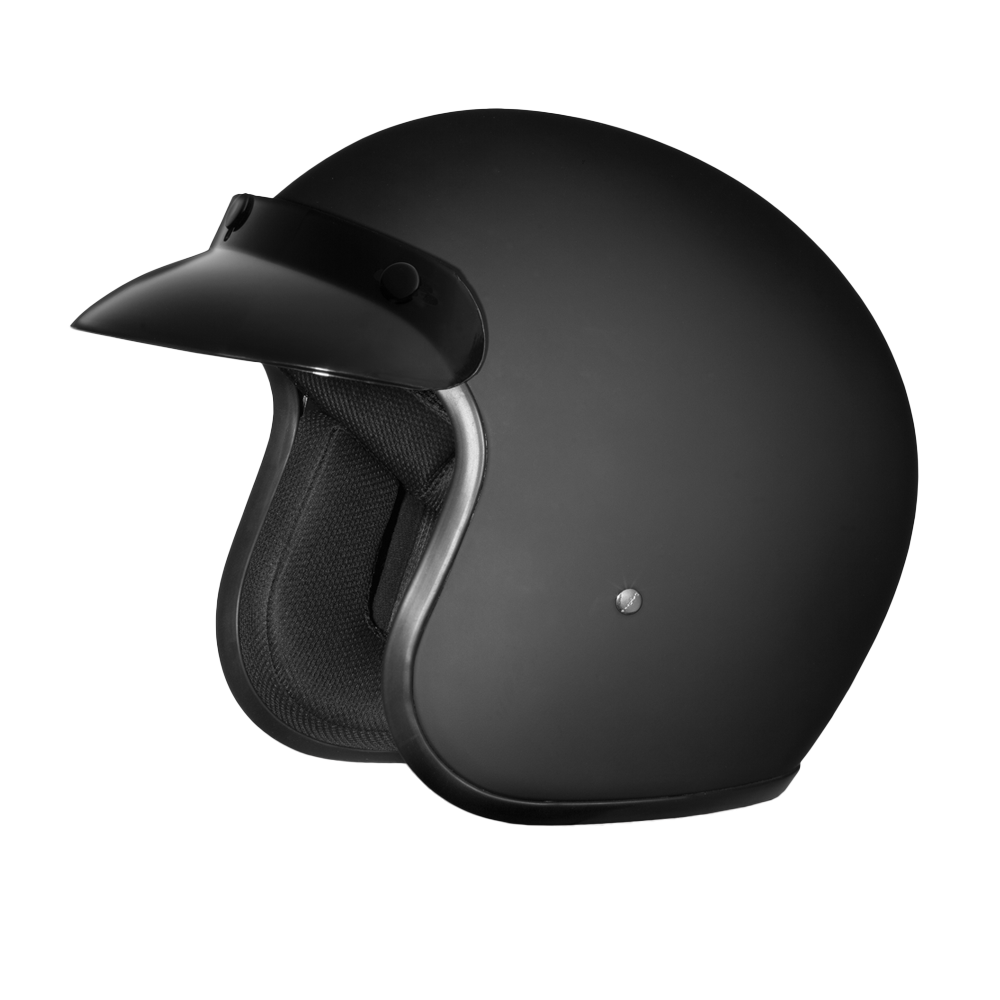
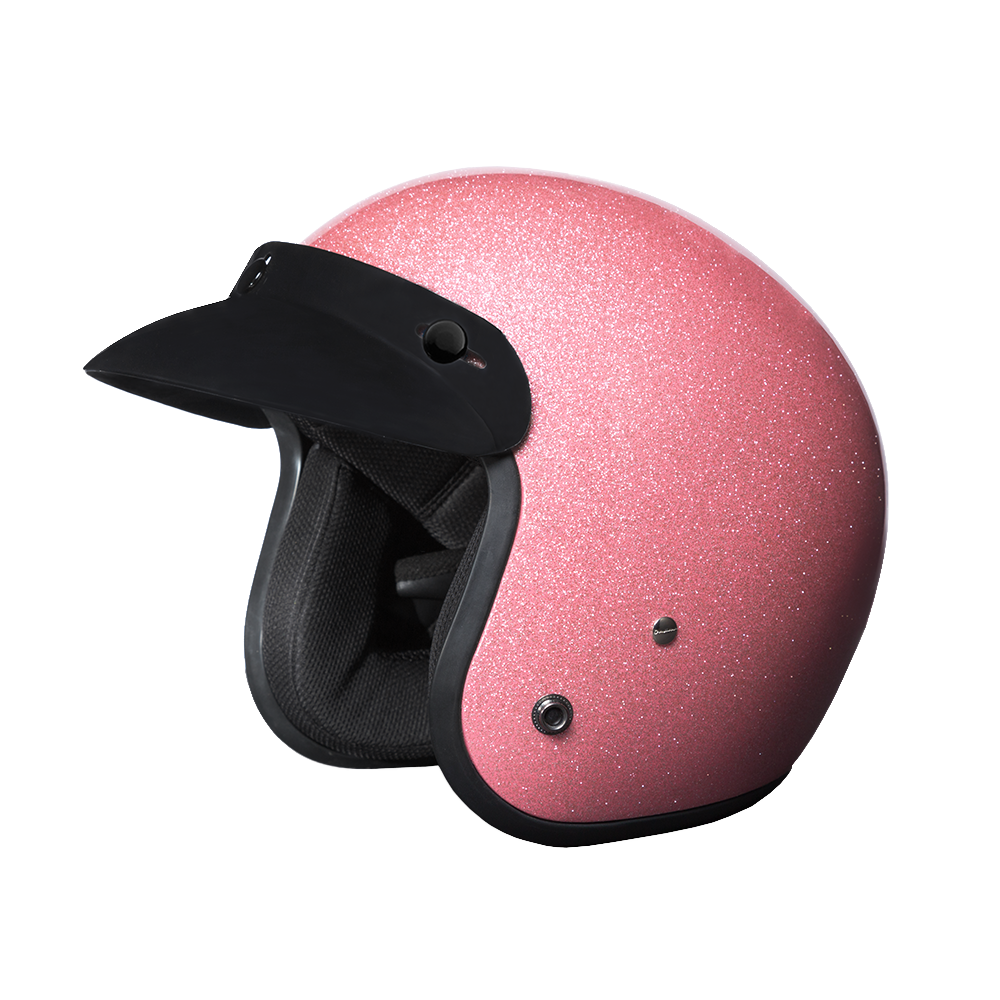
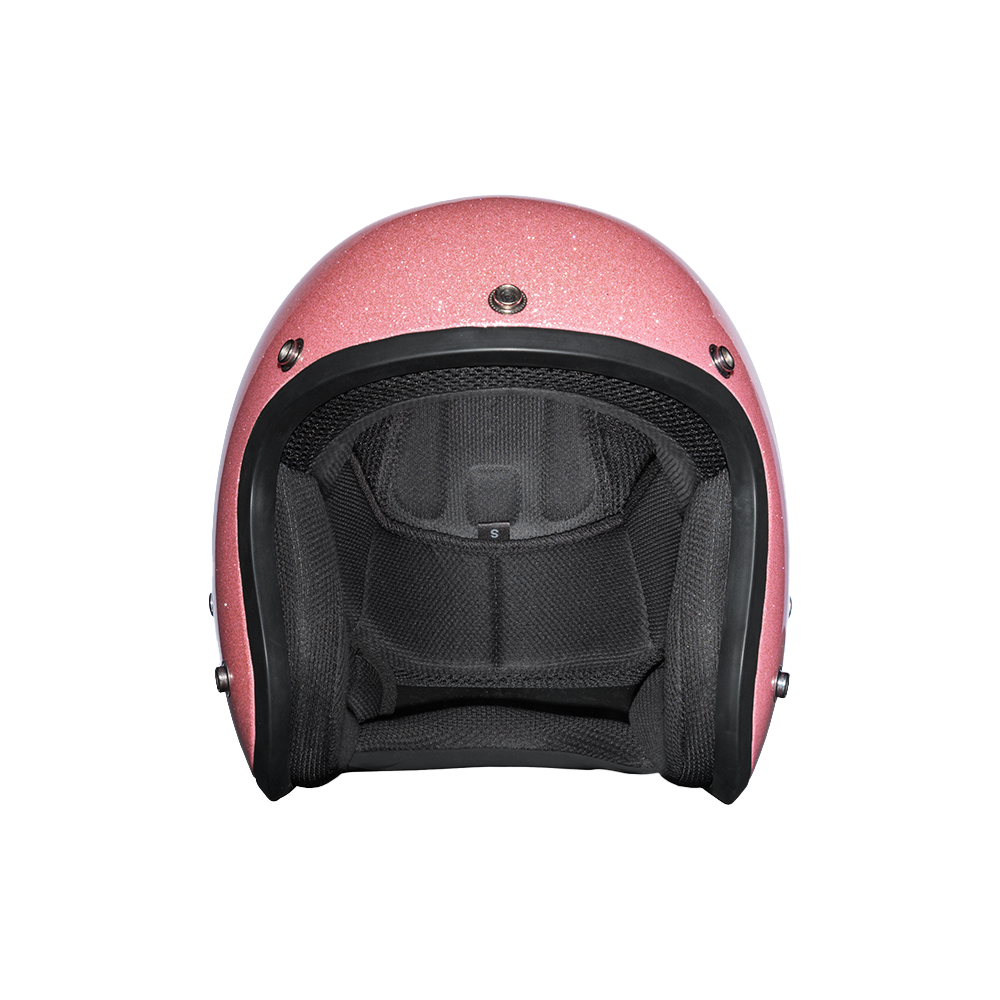
3/4 Shell
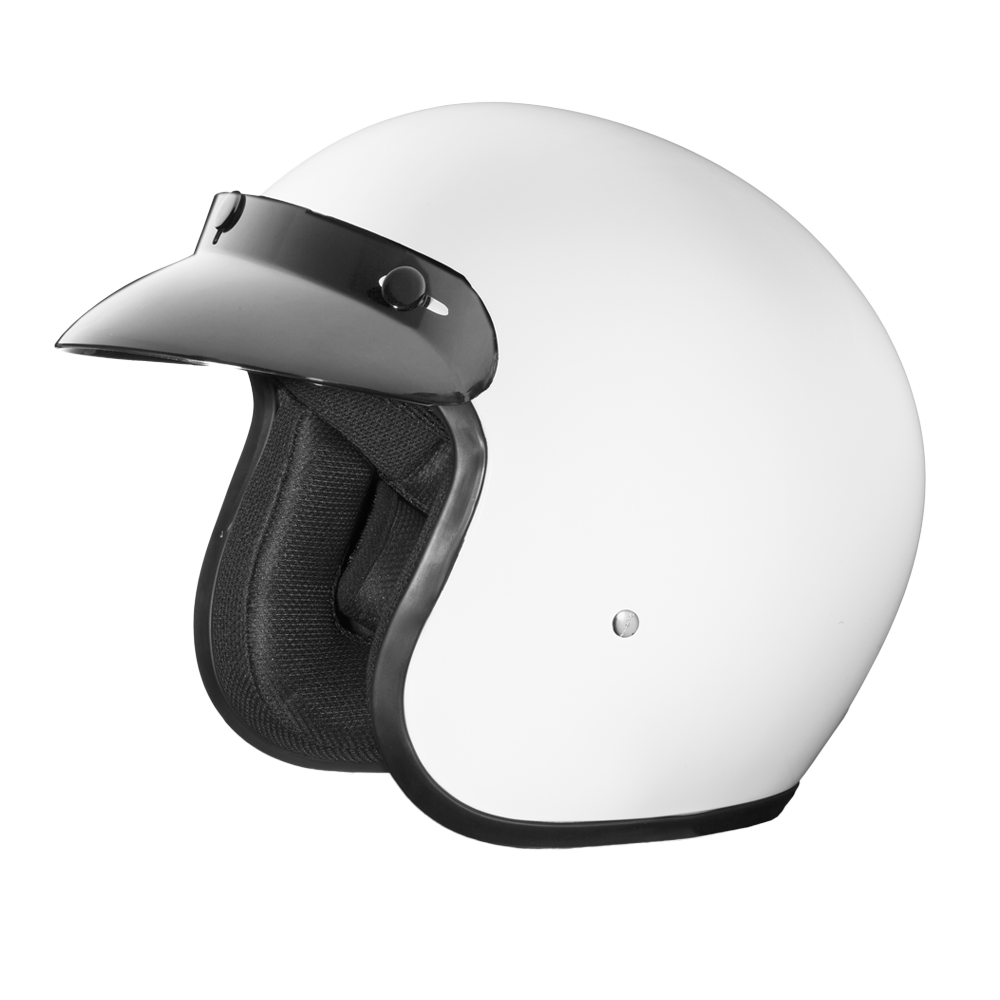
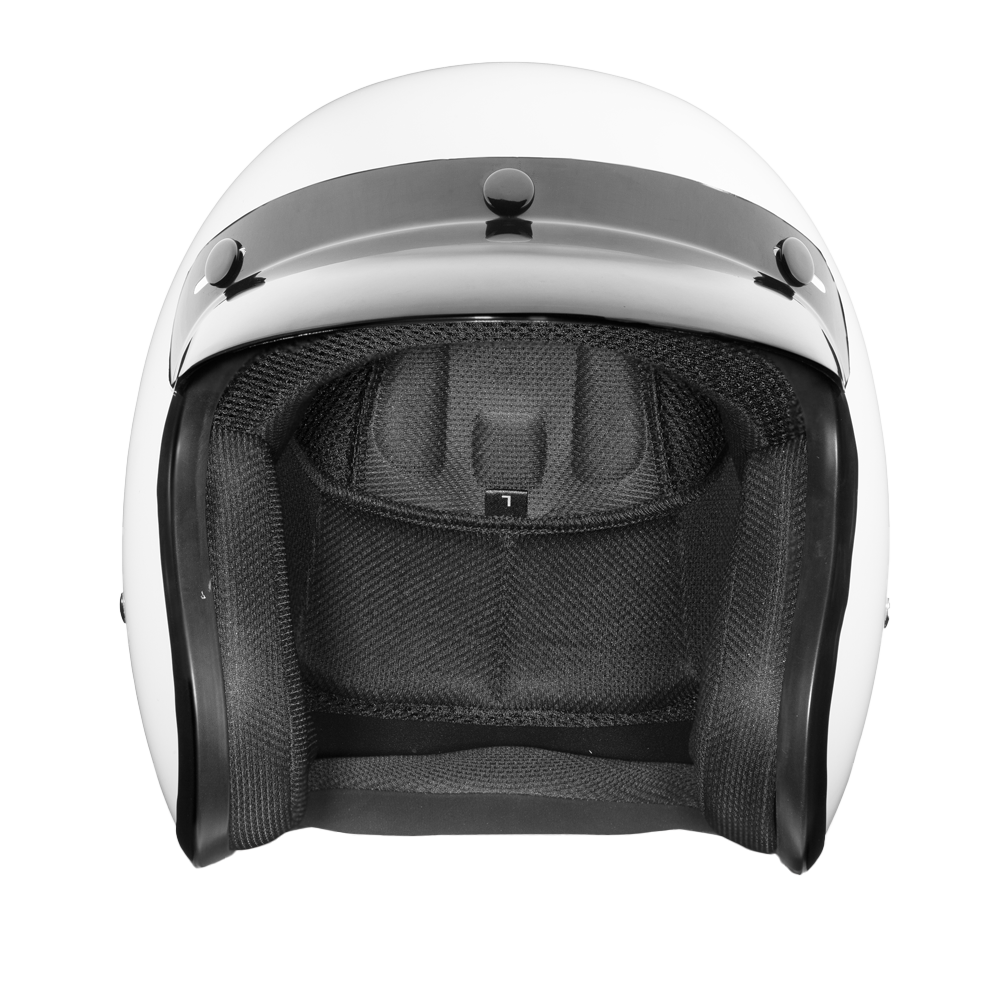
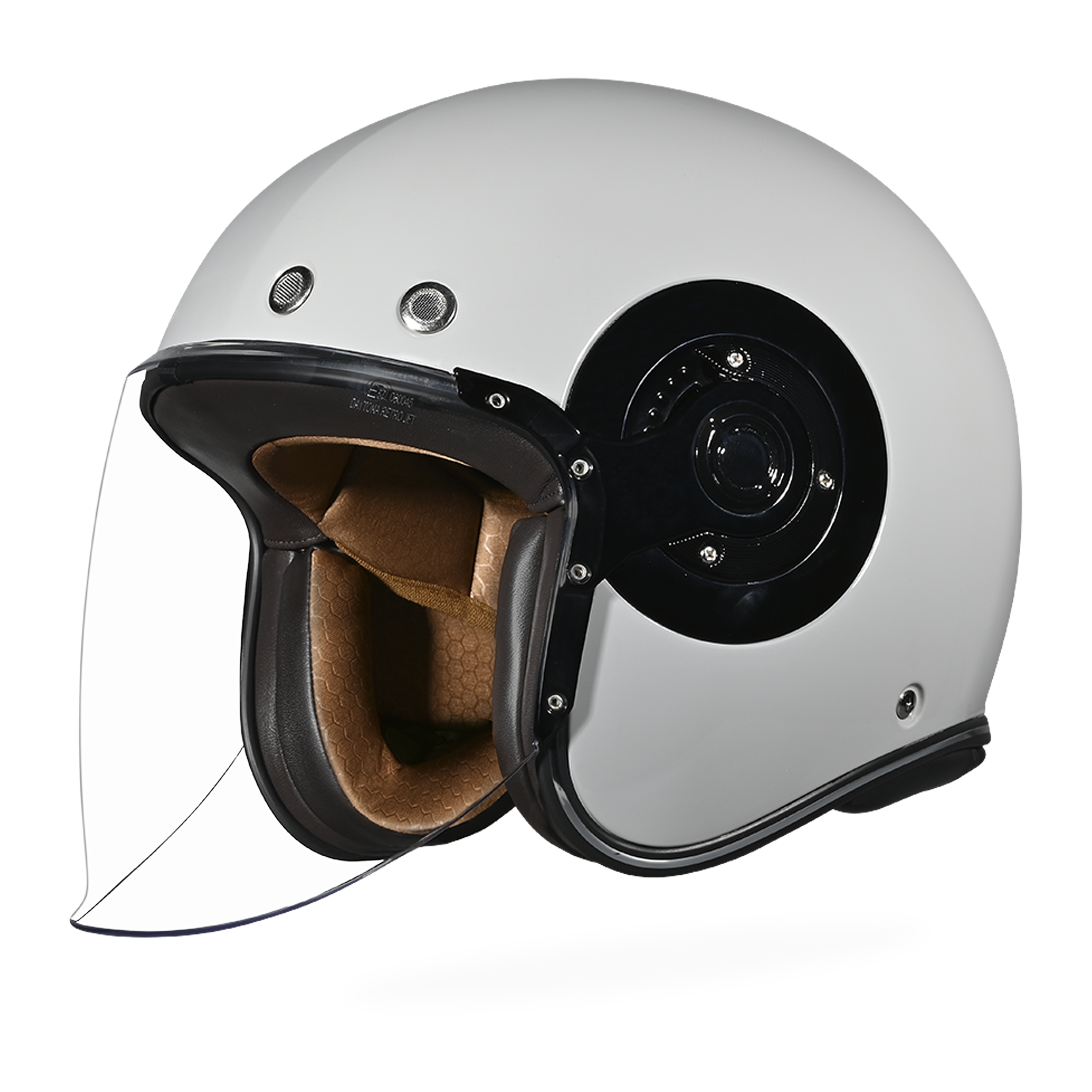
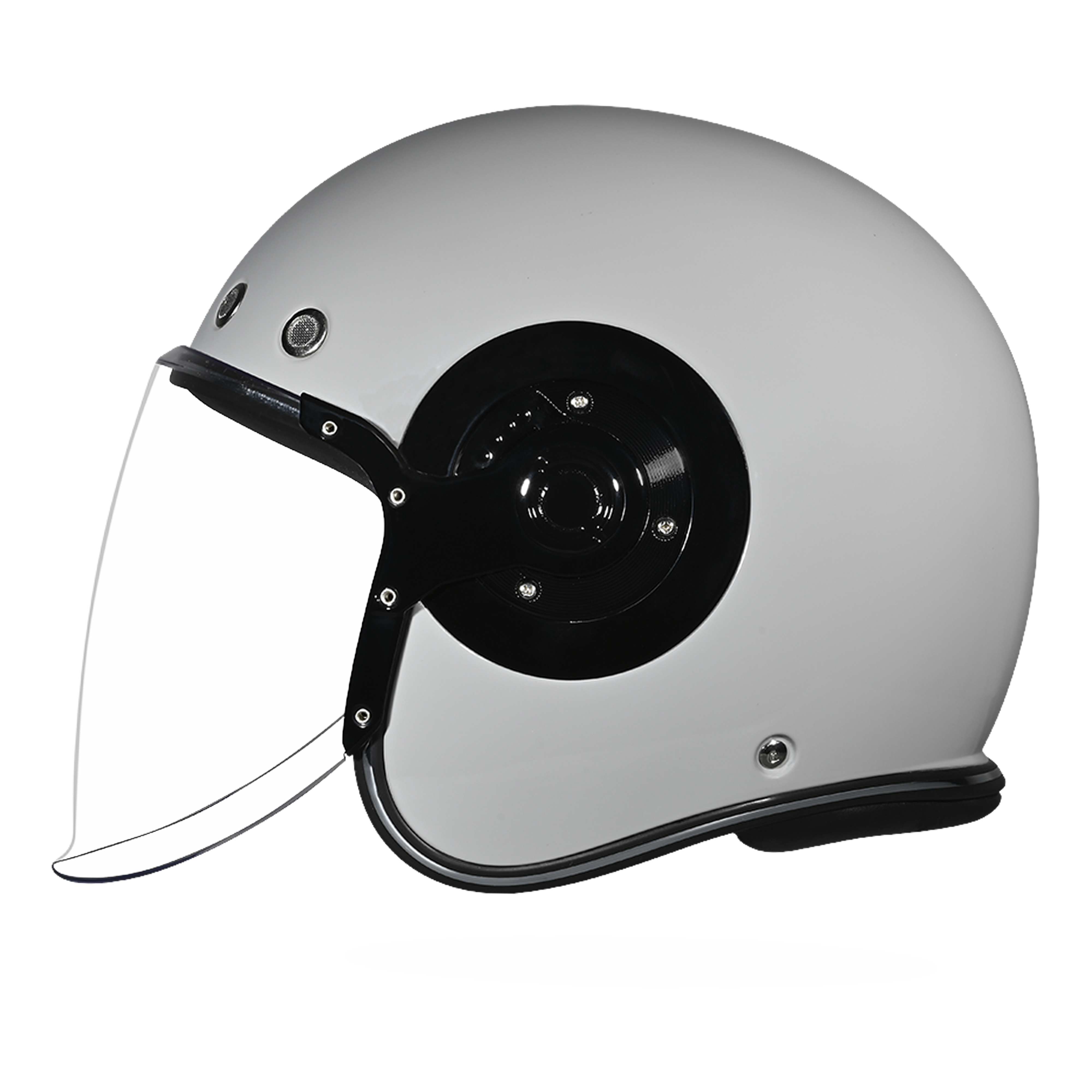
Top, sides, and back of head, open face
More coverage than half-shell with an open, classic look
Daytona Cruiser
Full-Face
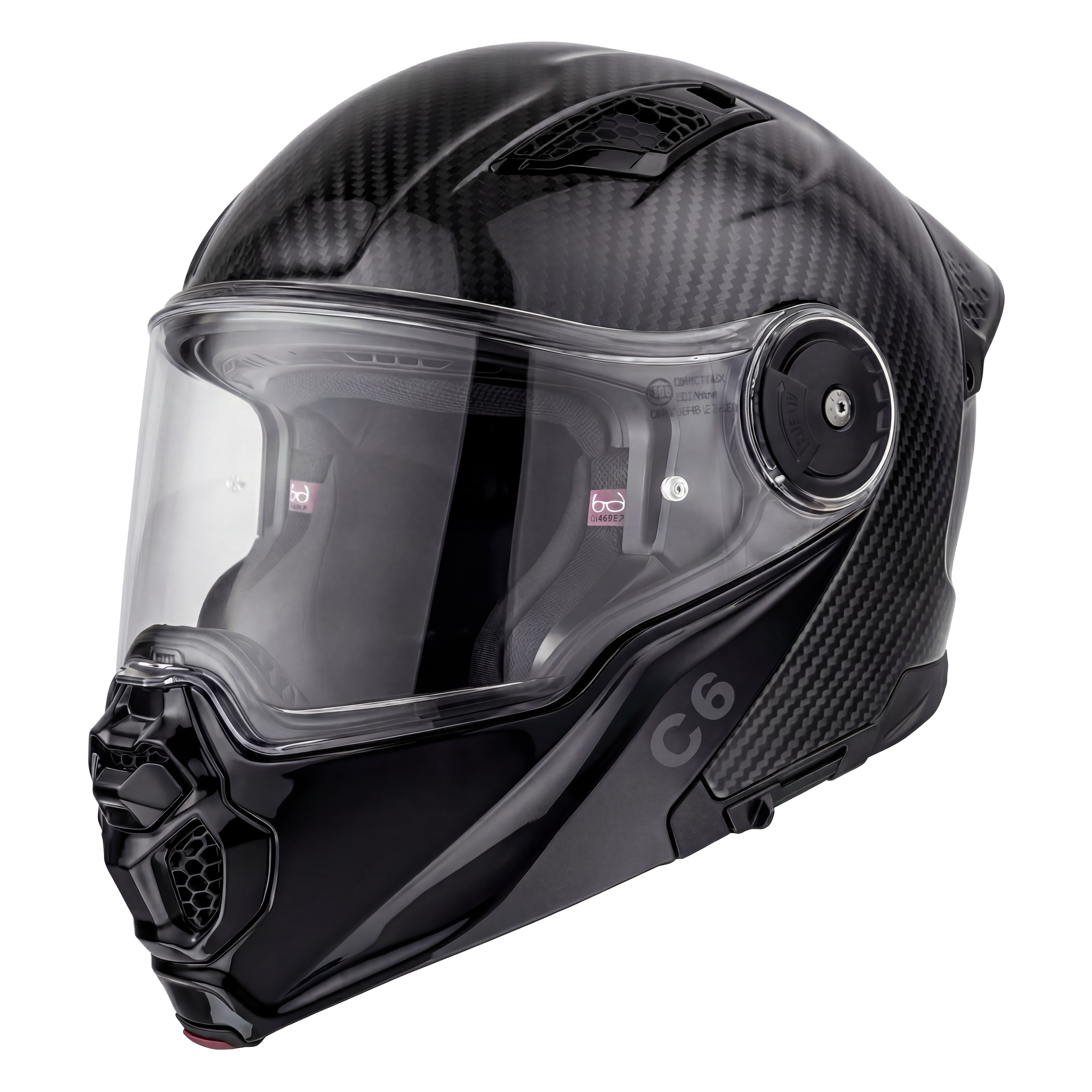
Entire head, face, and chin
Highway speed, touring, maximum protection
Daytona Retro
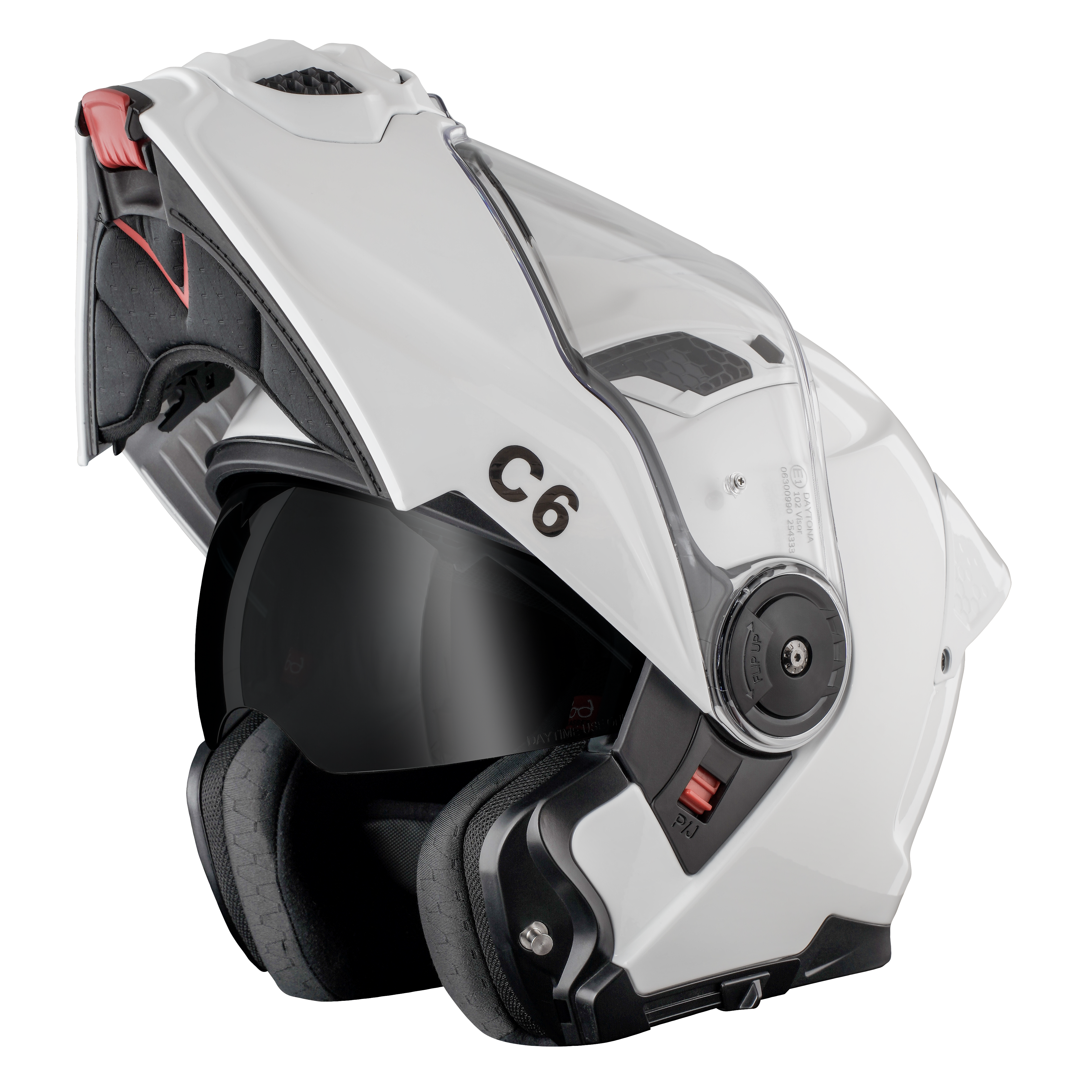
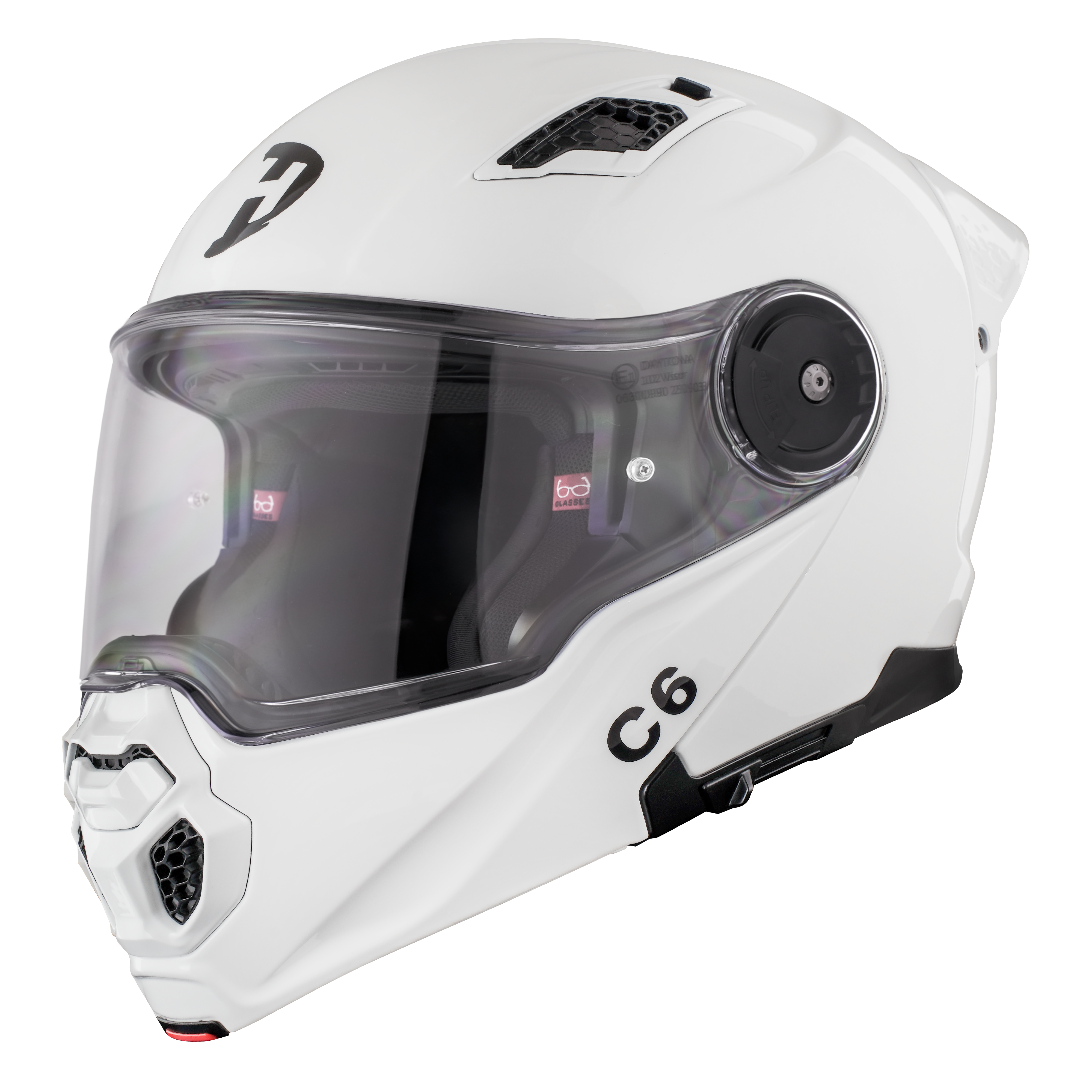
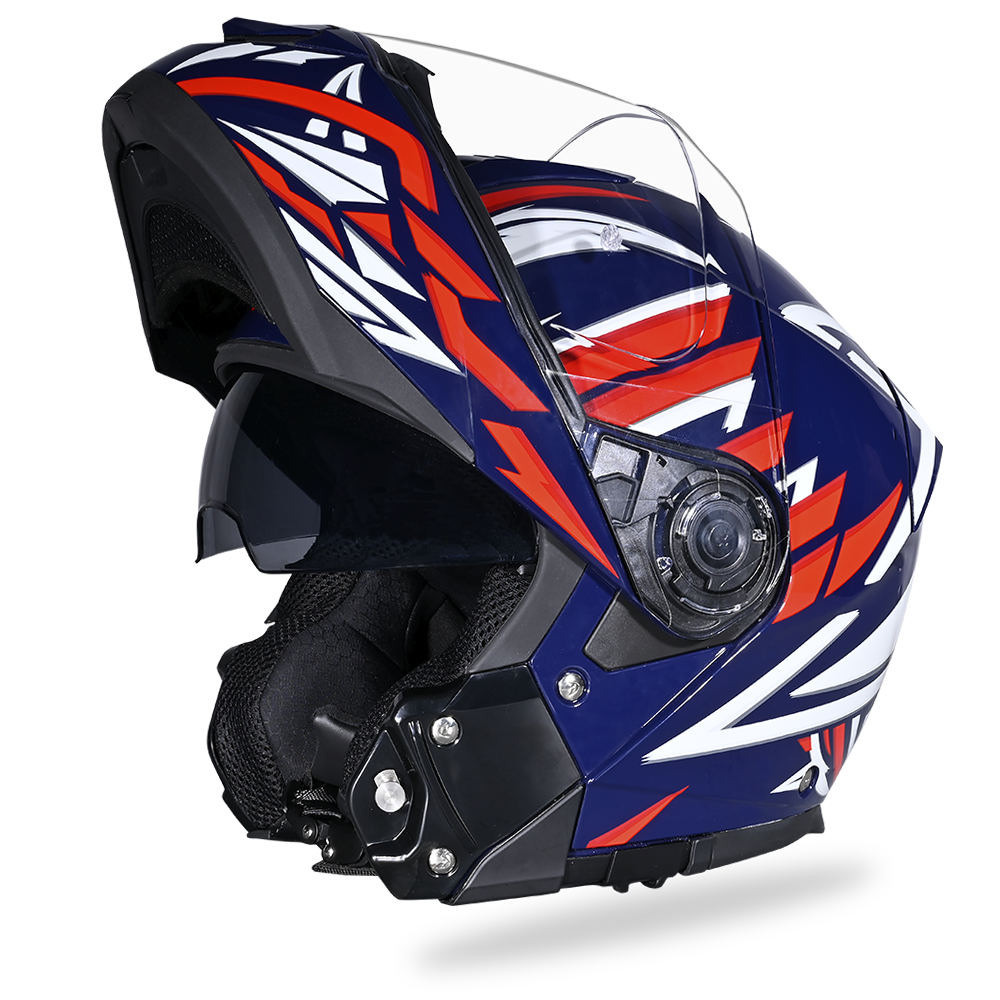
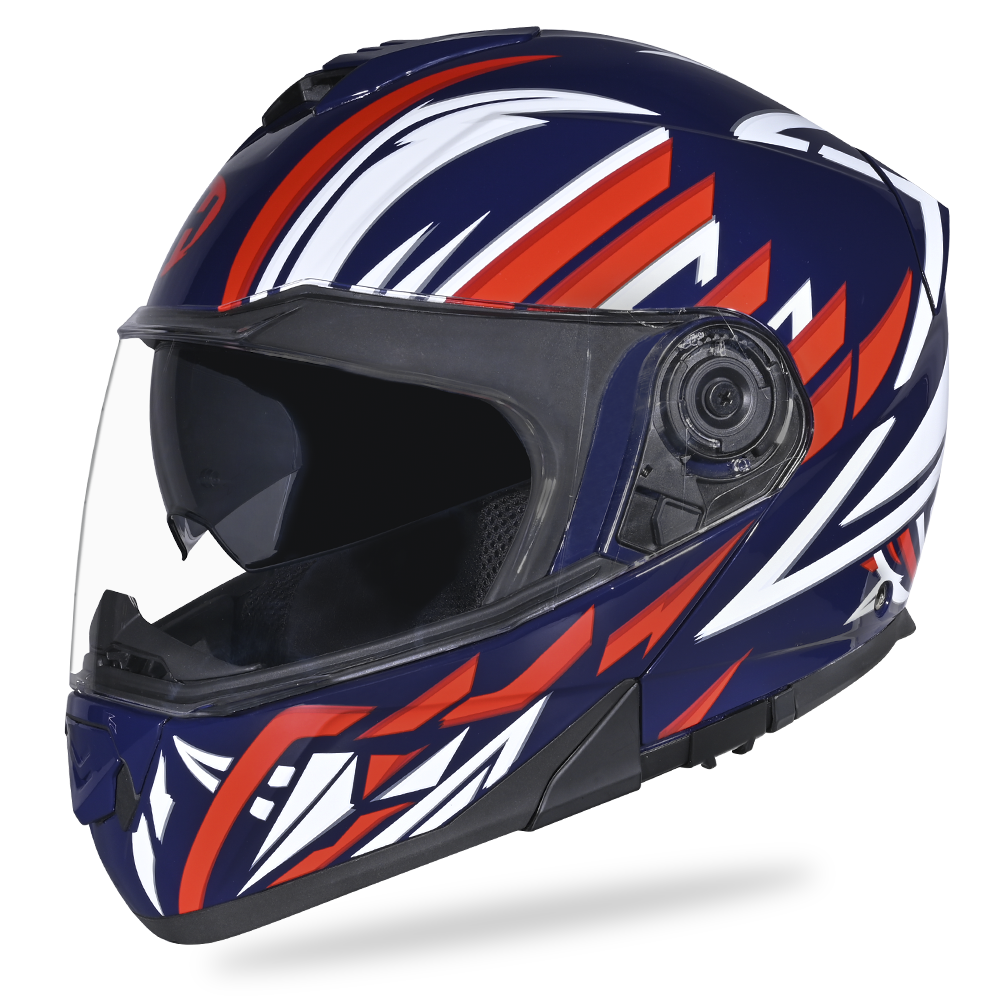
Modular
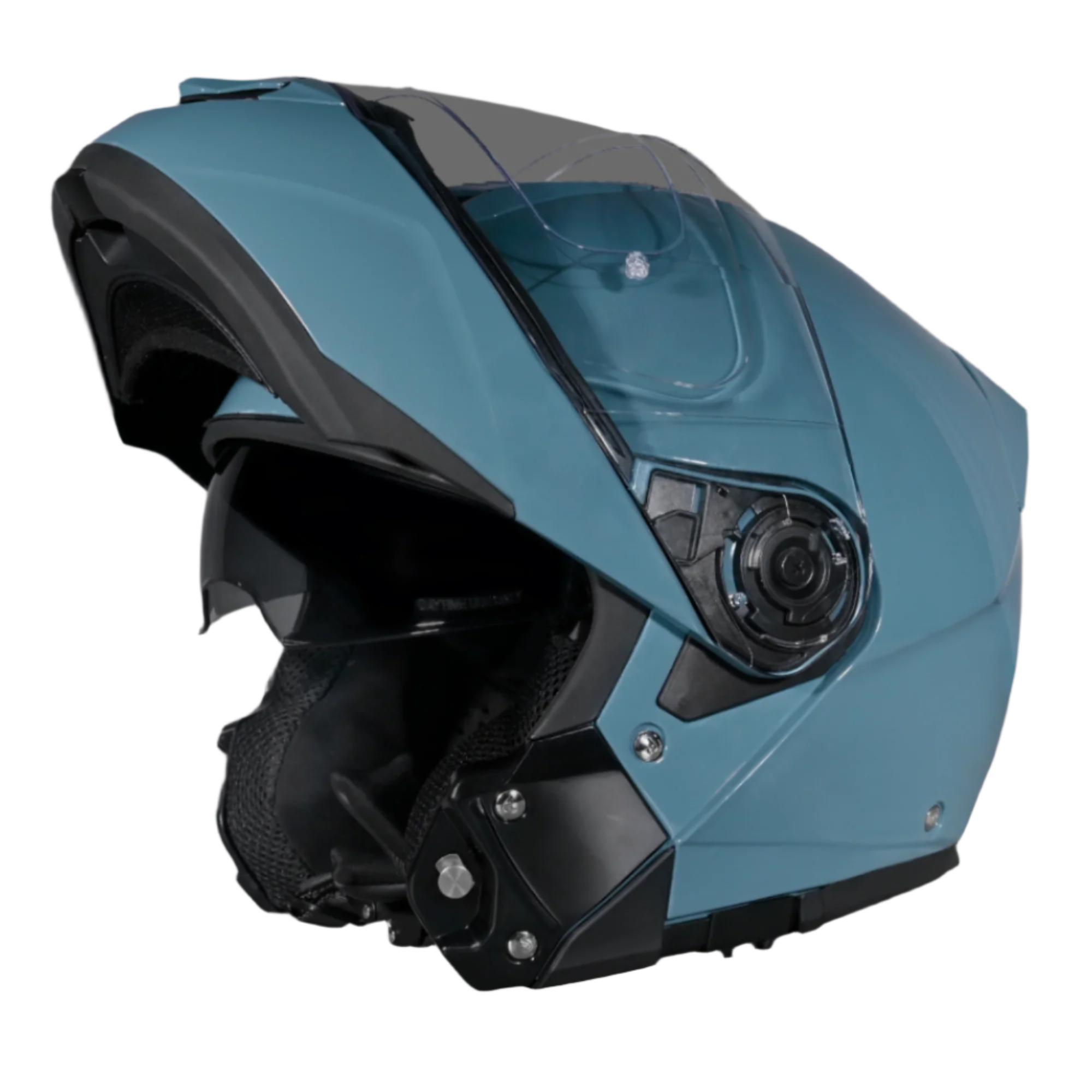
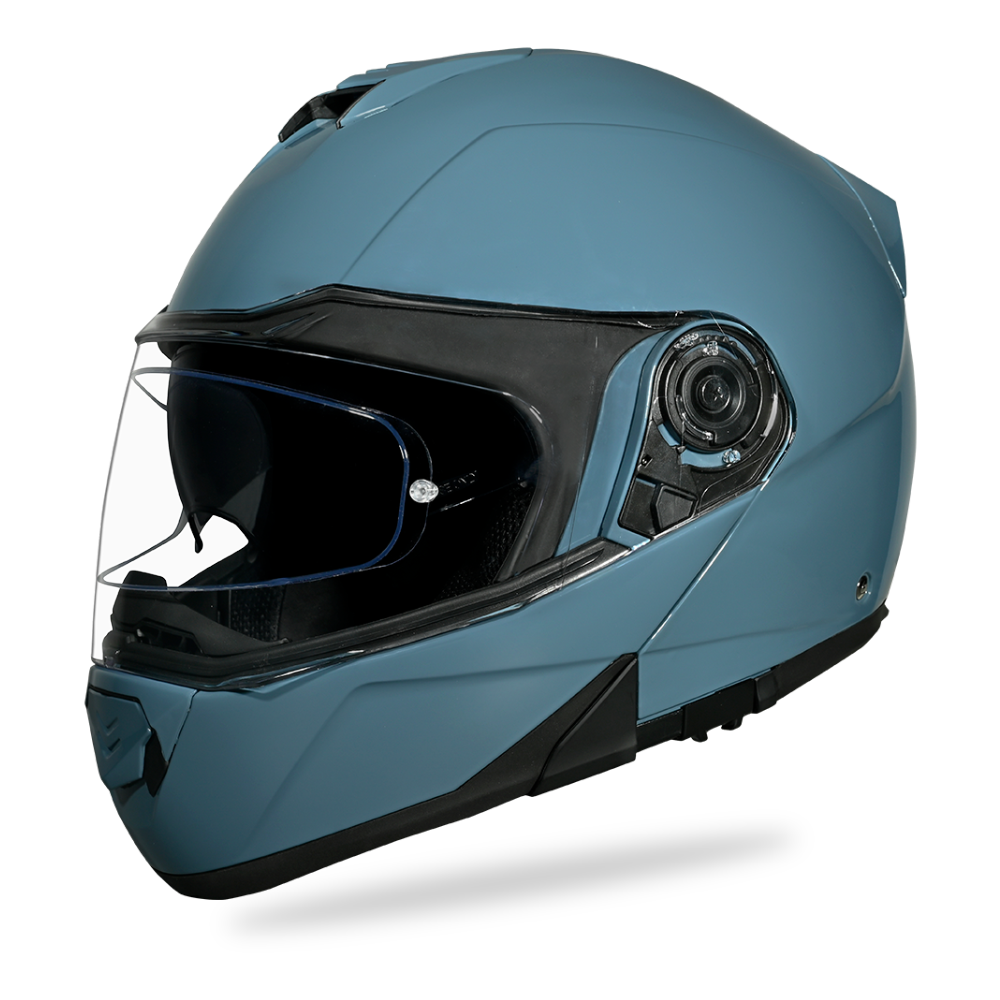
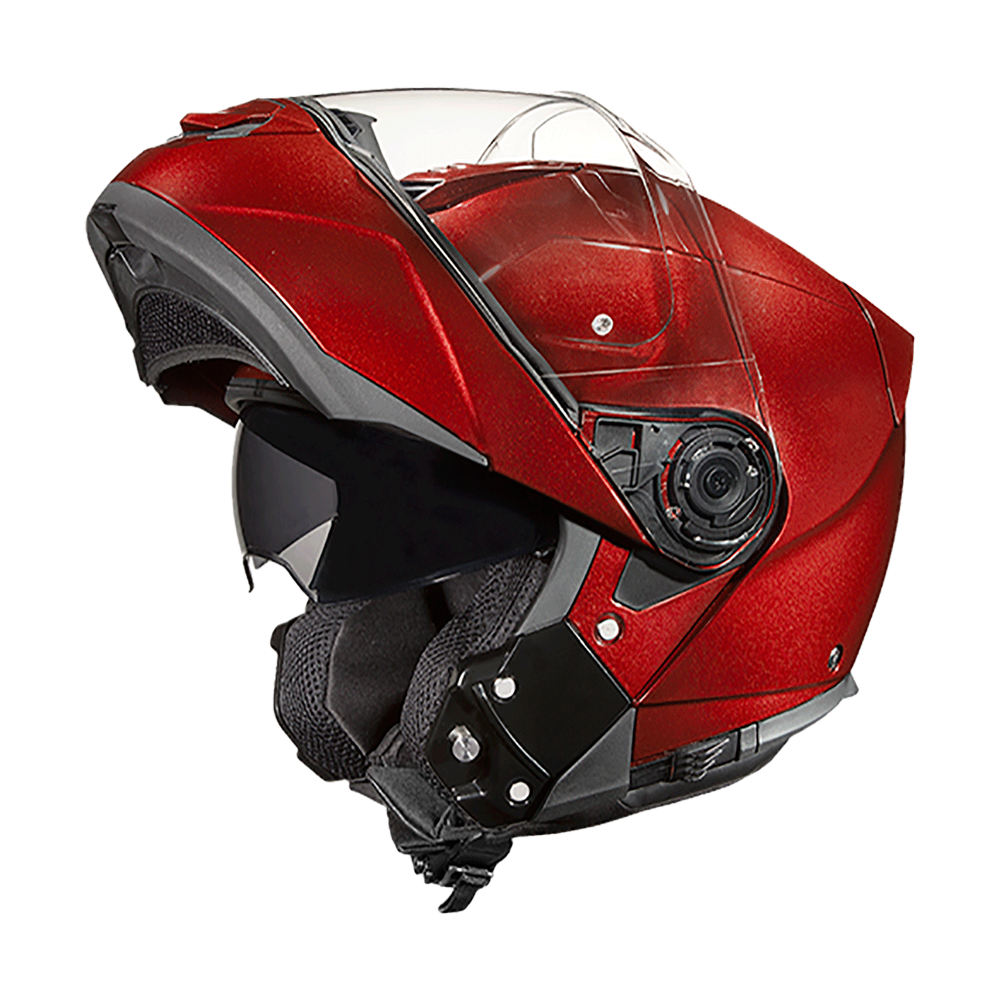
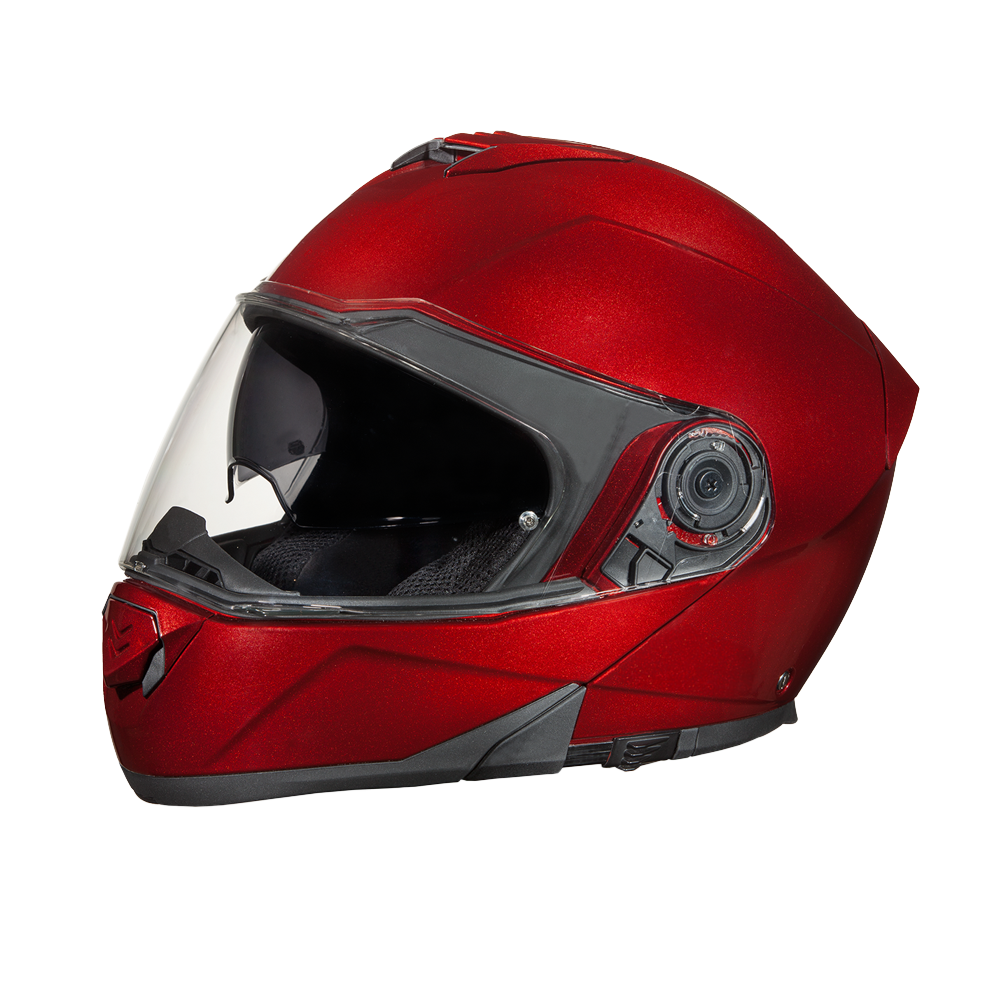
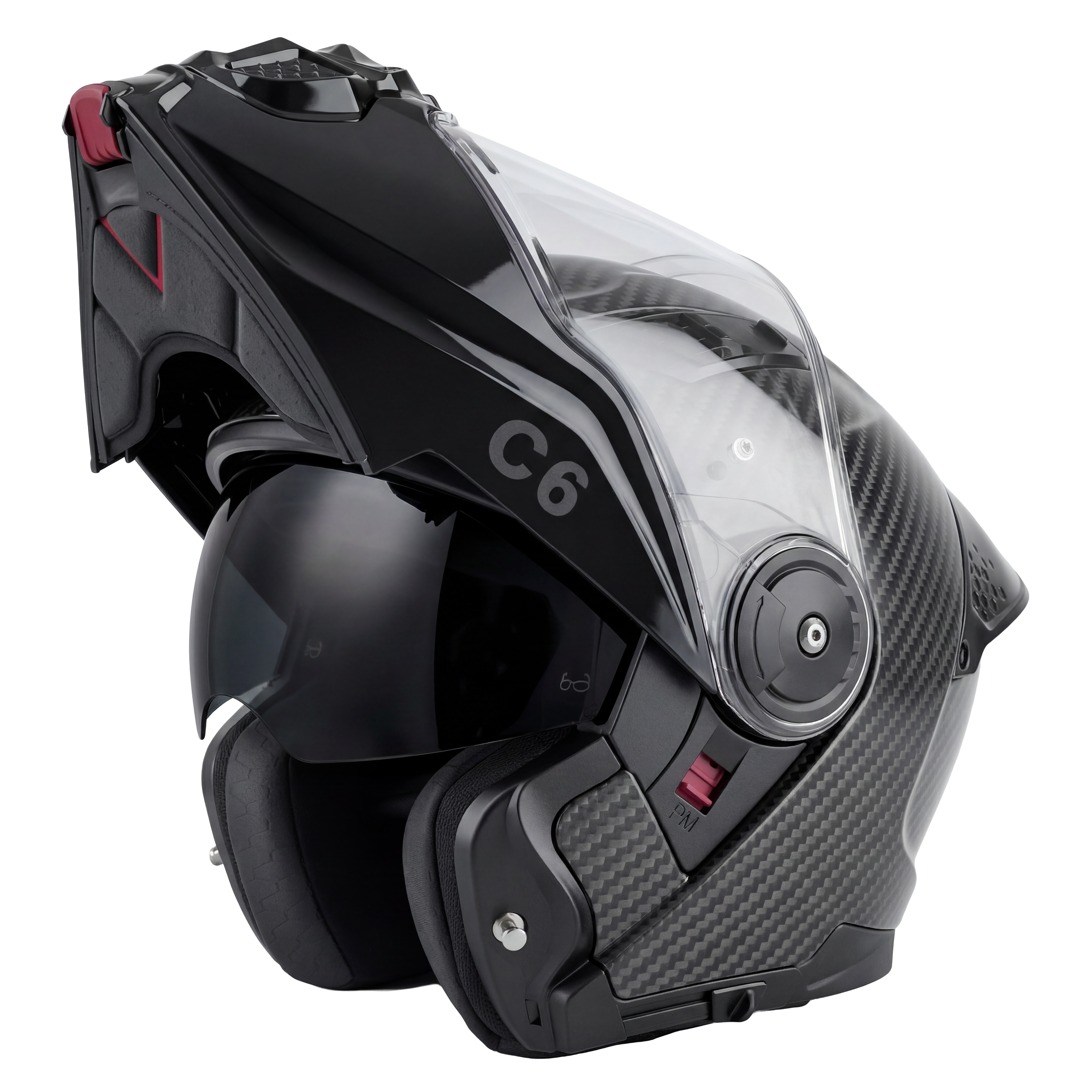
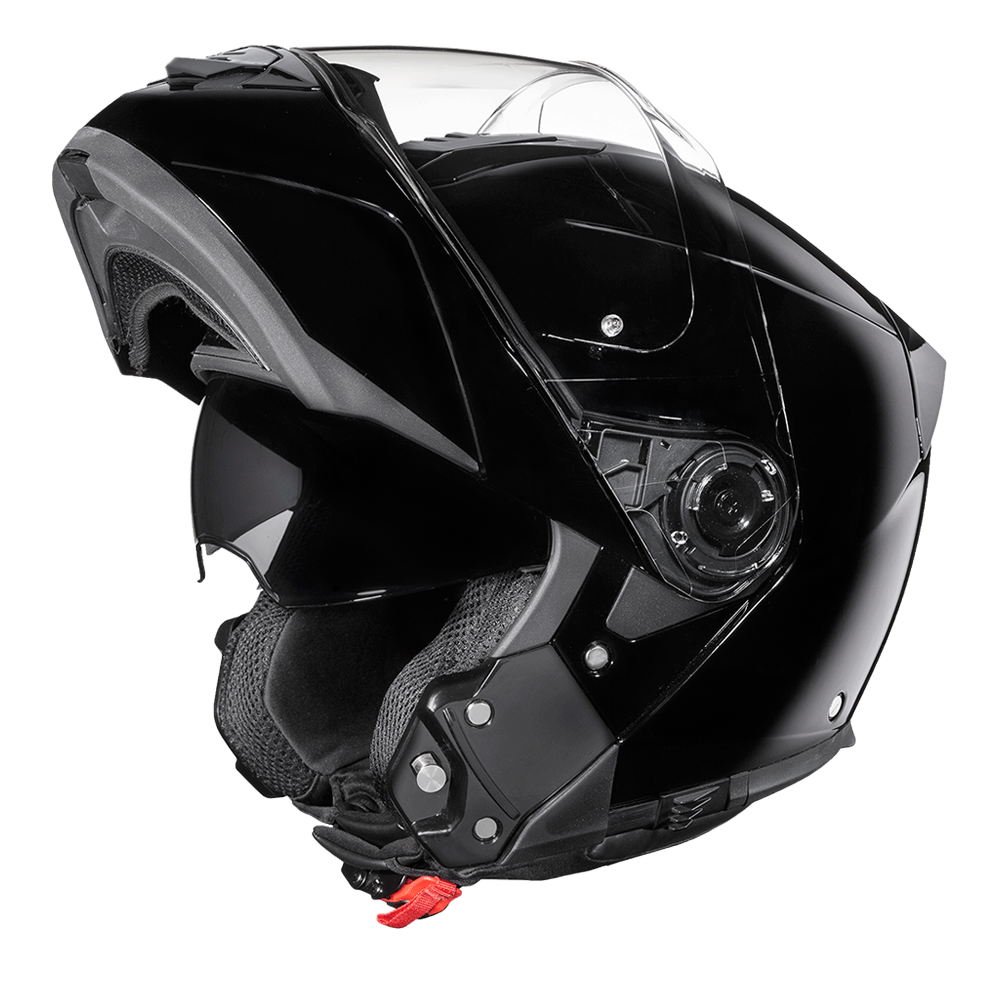
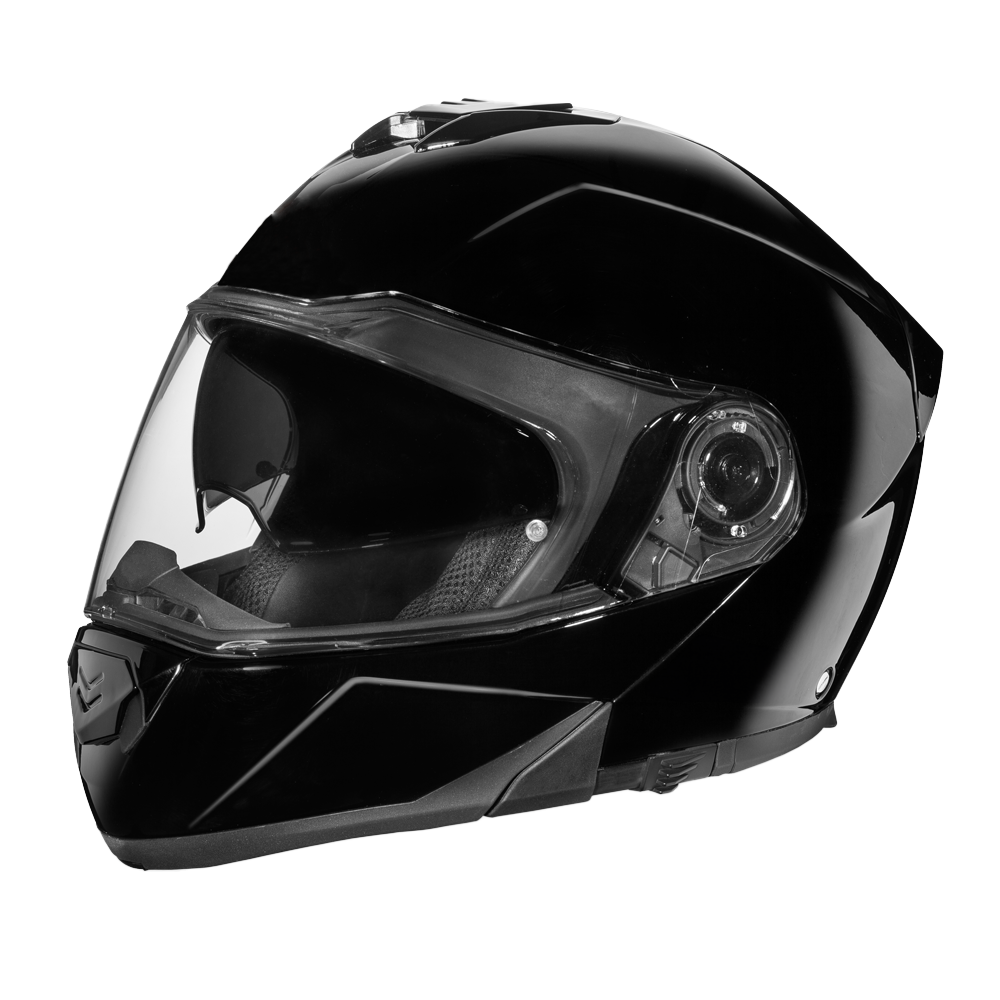
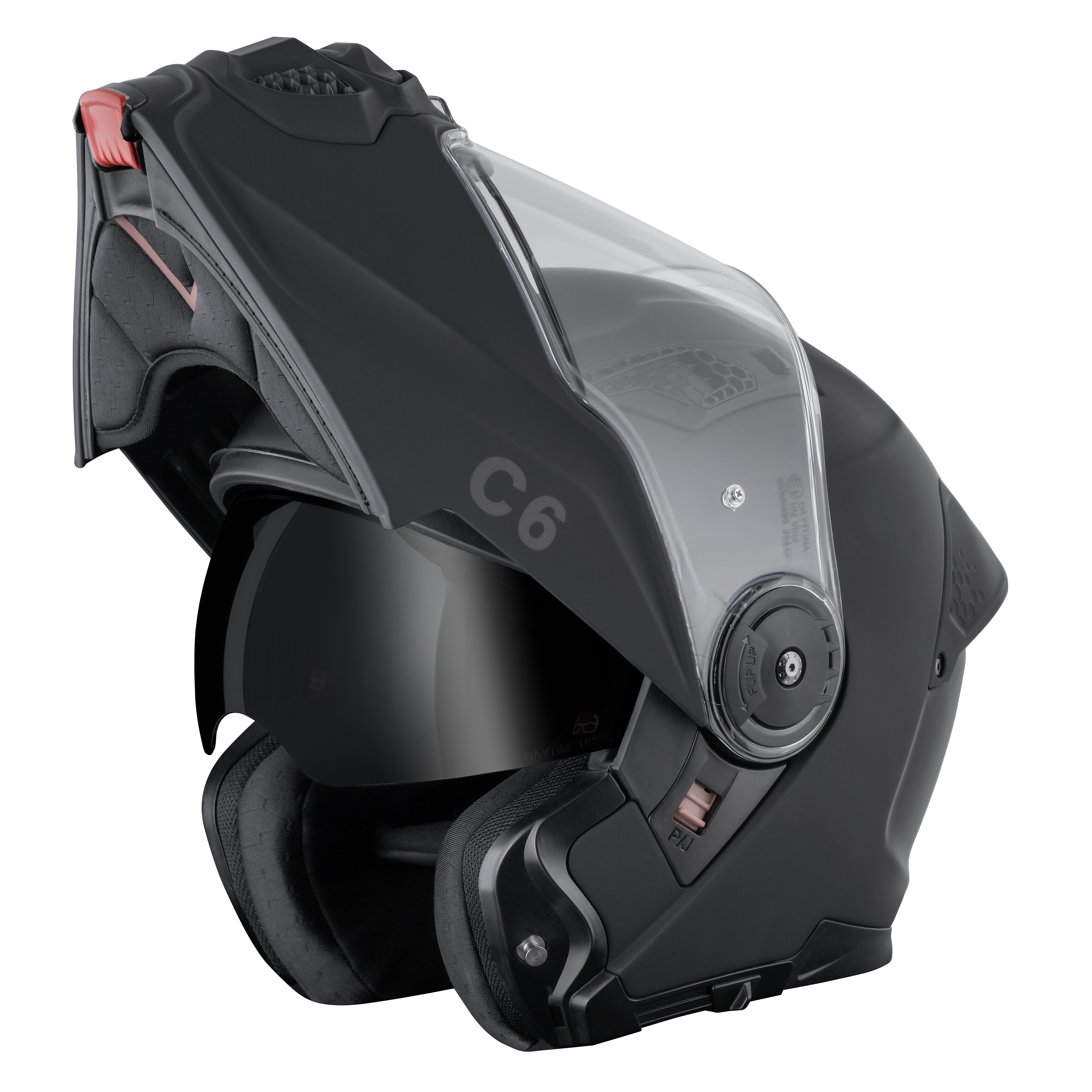
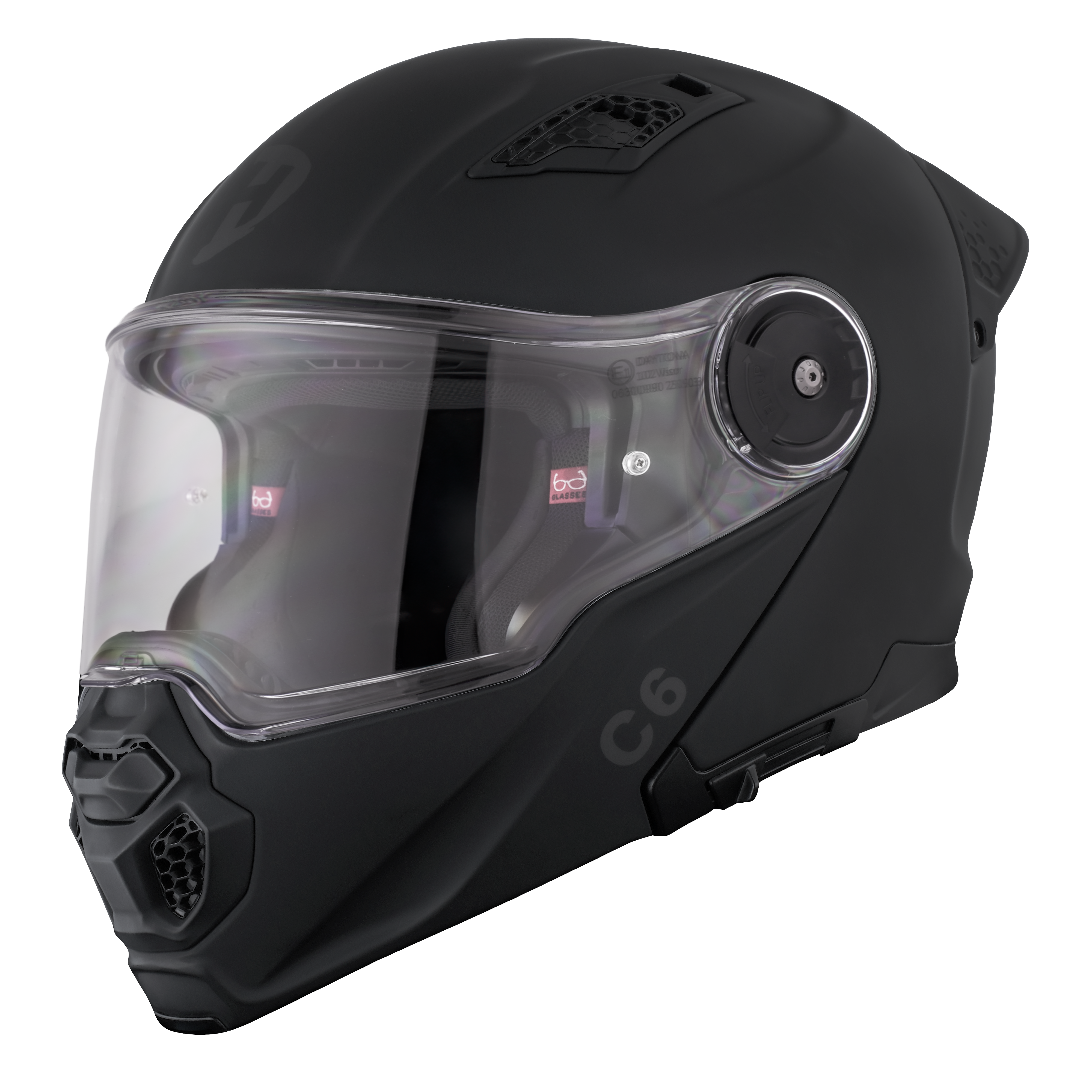
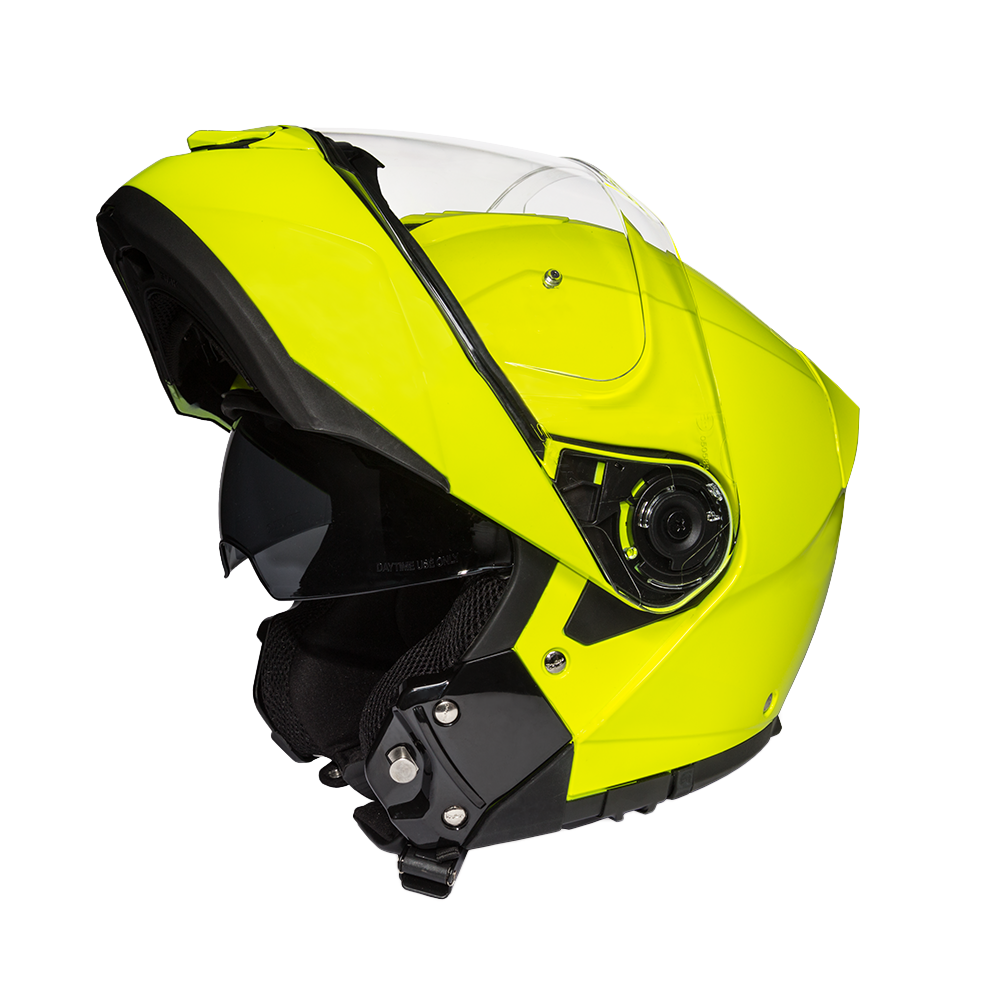
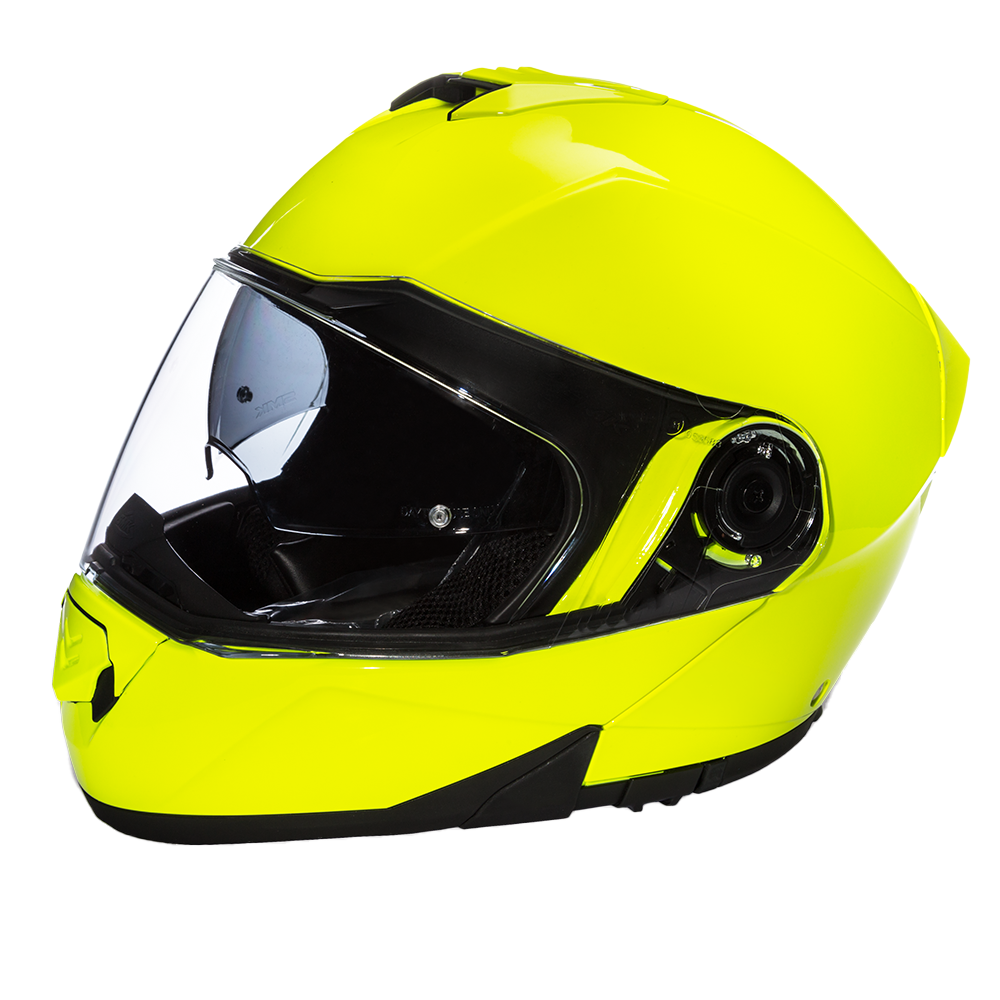
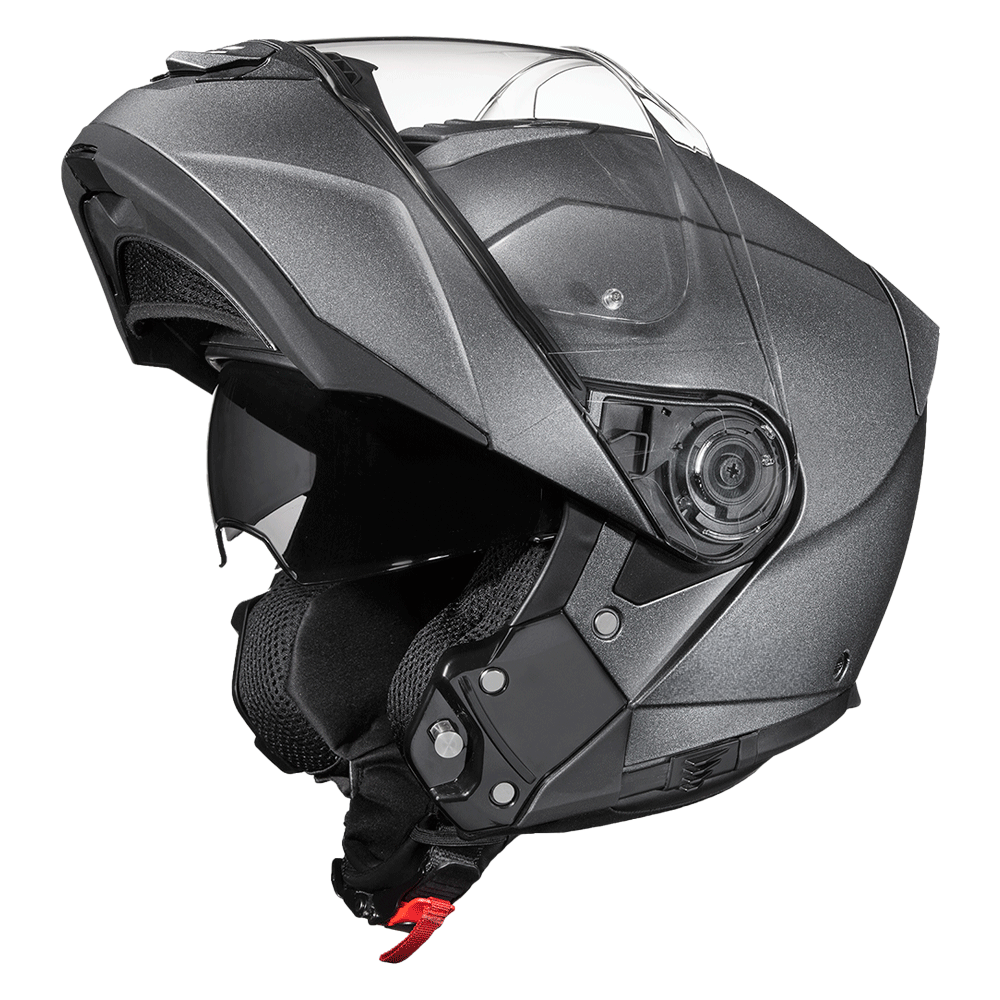
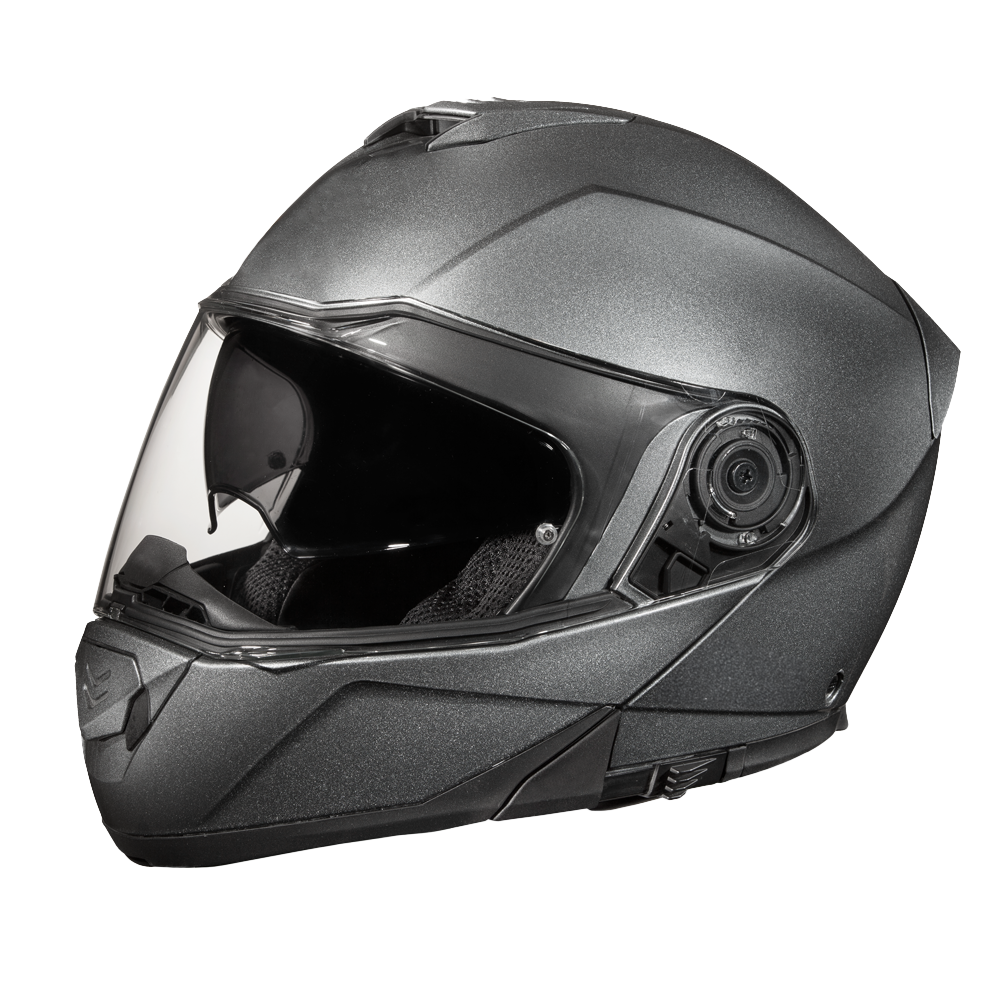
Full coverage with a flip-up chin bar
Riders who want full-face protection with open-face convenience at stops
Daytona Glide
German-Style
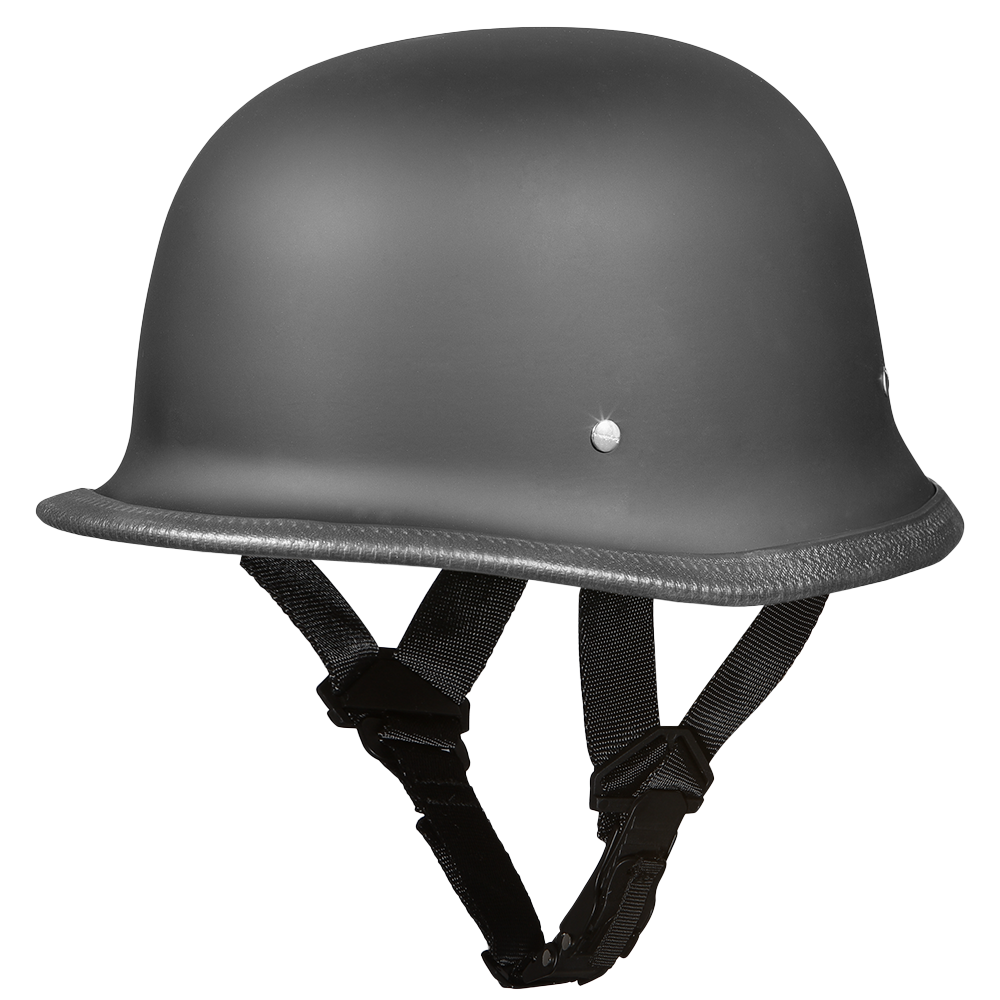
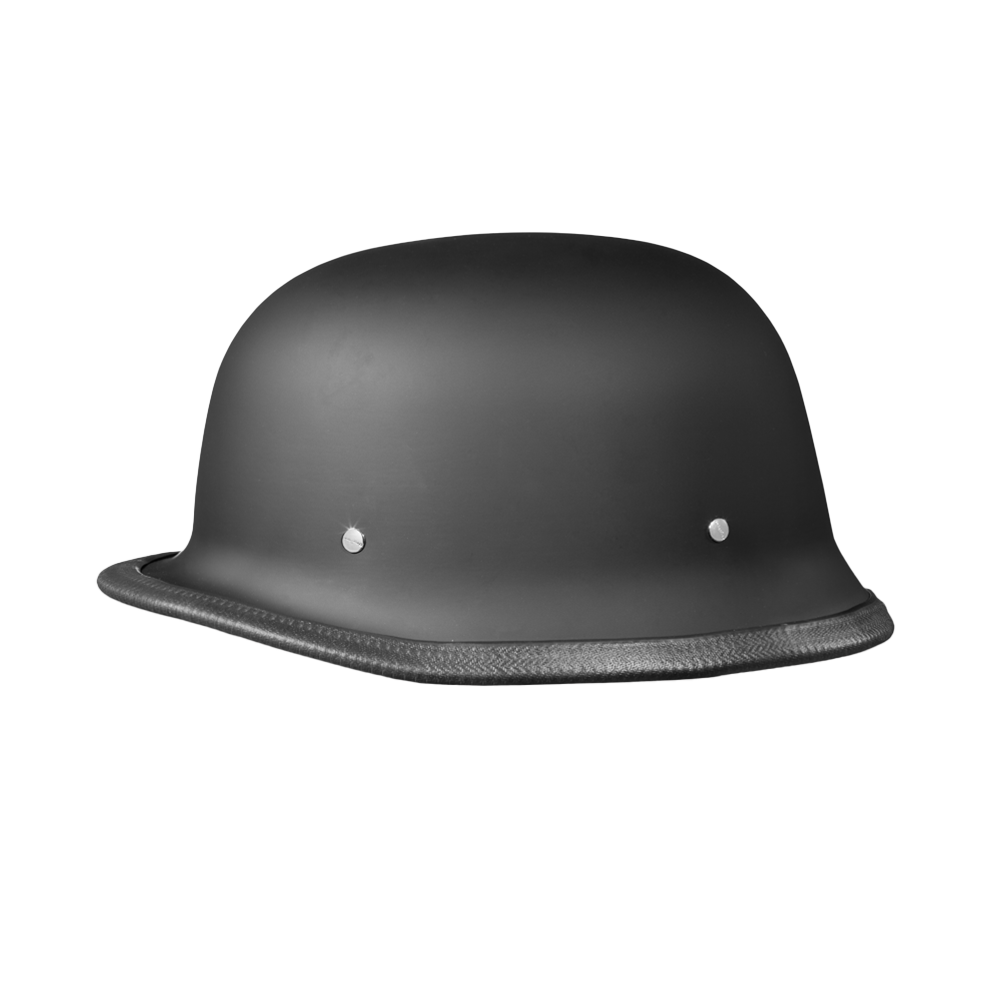
Low-profile, similar to half-shell
Classic vintage aesthetic, cruiser styling
Micro DOT Mayhem, G1 German
Beanie / Reversible
Minimal coverage, low-profile
Lightest option, style-first riders
Micro DOT Twister 2.0
Every style above meets DOT FMVSS 218, and select models carry ECE 22.05/22.06 certification as well.
How to Measure Your Head for the Right Fit?
Fit matters as much as certification — a helmet that's too loose or too tight won't perform as designed in an impact. To size yourself before ordering:
Wrap a soft measuring tape around your head about one inch above your eyebrows and ears, at the widest point of your skull.
Compare that measurement to the size chart on the specific product page — sizing varies slightly between our Daytona and Micro DOT lines.
On arrival, the helmet should feel snug all around with no pressure points; cheek pads should touch without pinching, and the shell shouldn't shift when you turn or nod your head.
If you're between sizes, size down slightly — interior padding breaks in and loosens a little with wear.
Note: German-style helmets like the Mayhem are built for rounder head shapes and may sit higher on oval heads unless custom fitted — check the product page's fit notes if you have an oval head shape.
Core Features of Our DOT Motorcycle Helmets
Built to DOT FMVSS 218standards, with select models also carrying ECE 22.05/22.06 certification for riders who travel internationally.
ABS and polycarbonate shell construction across the Daytona and Micro DOT lines, engineered for impact resistance without excess weight.
Multiple shell sizes per style — 2 to 3 depending on the model — so you get a proportionate fit rather than one-size-fits-all bulk.
EPS foam liner to absorb and distribute impact force on every certified model we carry.
Dual-shield system on modular helmets (outer anti-scratch, Pinlock 30-ready clear shield; inner retractable smoke shield) for adjustable visibility in changing light.
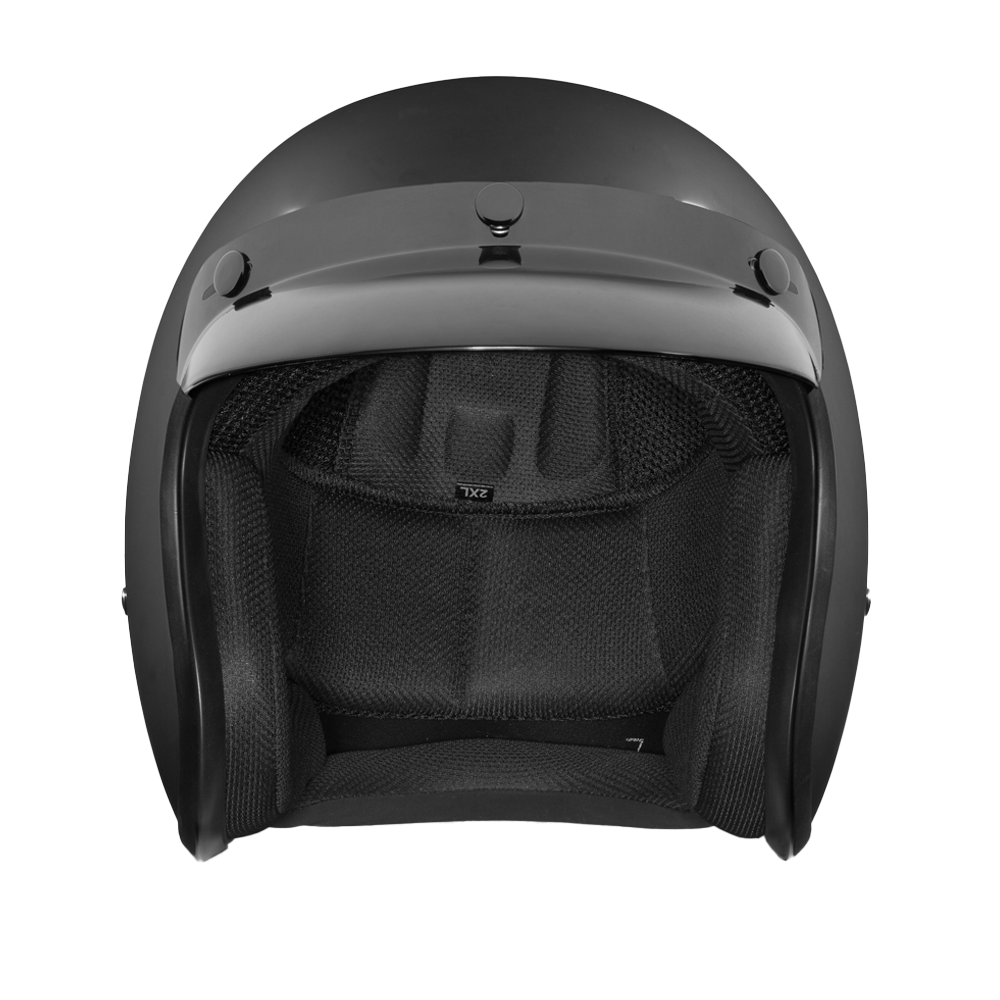
Moisture-wicking, removable, hand-washable liners for comfort on long rides and easy upkeep.
Reinforced strap retention with a quick-release lock — a one-finger release lever for fast, safe removal.
Adjustable chin and forehead ventilation to help regulate temperature on hot days.
Bluetooth-ready shells on select modular and full-face models.
Slim Line shell design on our half-shell and 3/4 shell helmets, contoured to reduce the "mushroom" look common to bulkier half helmets.
Top Benefits of Choosing a Daniel Smart MFG DOT Helmet
Standards-tested protection (FMVSS 218, with ECE 22.05/22.06 on select models) rather than an unverified "DOT-style" claim.
Reduced fatigue from padded, moisture-wicking interiors built for long-distance riding.
Clearer vision in changing weather with anti-scratch, Pinlock-ready shield options.
Easy upkeep thanks to removable, hand-washable liners.
A proportionate, secure fit across multiple shell sizes per style rather than a single generic mold.
Every purchase backed by our lifetime warranty, 30-day returns, and money-back guarantee — so trying a new style or size carries less risk.
Why Buy Your Helmet From Daniel Smart MFG?
Curated selection across the Daytona and Micro DOT lines, so you're choosing from helmets we've vetted rather than sorting through unverified third-party listings.
Free shipping on all U.S. orders over $99.
30-day easy returns and exchanges, plus a money-back guarantee.
Lifetime warranty on every helmet we sell.
Things to Know Before You Buy
Full-face and modular helmets offer the most protection; half-shell and 3/4 shell styles trade coverage for airflow, weight, and visibility.
Replace any DOT helmet after a significant impact, even without visible shell damage — EPS foam compresses on impact and permanently loses protective capacity.
Always confirm the DOT sticker inside the shell before buying anywhere, and favor manufacturers who stand behind the product with a real warranty.
Use the measuring steps above, or contact us directly, before ordering if you're unsure between two sizes.
Frequently Asked Questions
Which type of DOT helmet is safest?
Full-face helmets provide the highest level of protection since they cover the entire head and chin. Our Daytona Retro full-face line is built for riders prioritizing maximum coverage.
Is a DOT sticker enough, or do I need ECE too?
A genuine DOT sticker satisfies U.S. legal requirements on its own. ECE 22.05/22.06 helmet is required for riding in Europe and other countries; some of our helmets carry both certifications for riders who travel internationally.
How do I know a DOT helmet isn't counterfeit?
Check for a complete "DOT FMVSS No. 218 CERTIFIED" sticker with manufacturer and model information, a substantial shell weight, and a thick EPS liner — and buy from a retailer that backs the helmet with a real warranty, like our lifetime warranty on every helmet we carry.
Do all states require motorcycle helmets?
No. Requirements vary by state — some require helmets for every rider, some only for riders under a set age, and three states (Illinois, Iowa, and New Hampshire) have no statewide helmet law at all. Confirm the specific state's law before you ride.
What's the difference between a 3/4 shell and a full-face helmet?
A 3/4 shell, like our Daytona Cruiser, covers the top, sides, and back of the head with the face open; a full-face helmet adds a chin bar and face shield for complete coverage. 3/4 shells trade some protection for airflow and an open, classic look.
How long does a DOT helmet last before it needs replacing?
Generally 5 to 7 years from the manufacture date, or immediately after any significant impact, regardless of the helmet's age.
Are lightweight helmets less safe?
Not necessarily — a lightweight helmet can still pass all required DOT tests. Coverage depends more on style (full-face vs. half-shell) than on weight alone.