


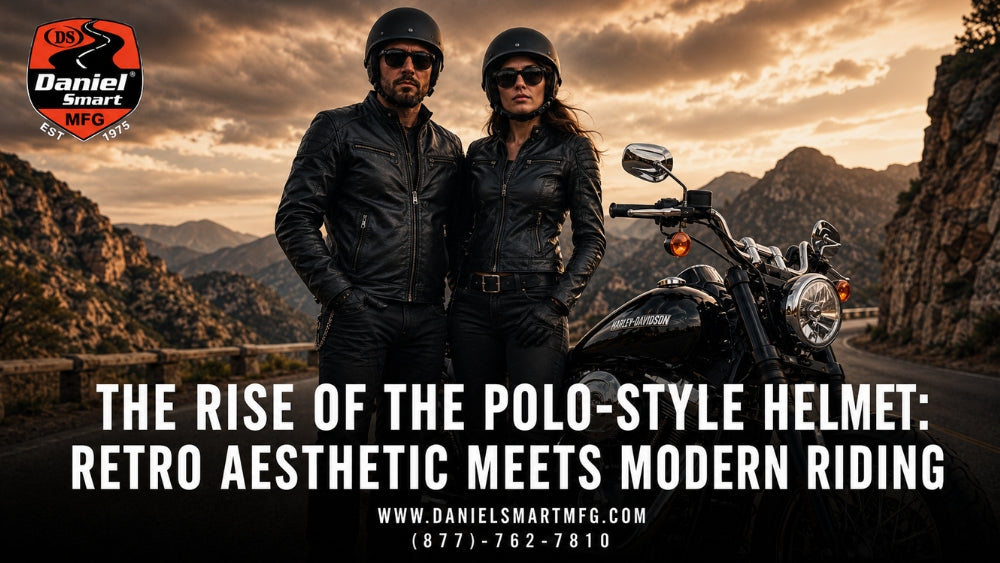
Go to a motorcycle riders' meetup, and you can see many heads with clean lines and low-profile helmets that feel like heads. These are the polo-style helmets giving a cruiser feel to routine American motorcyclists.
It may be the choice of elite polo players, but now they have gained popularity as retro motorcycle polo helmets, too. It brings both aesthetic and freedom to feel the breeze on the face.
Besides, the main question is, is it safe for motorcyclists? Let’s see a full picture.
Where the Look of Polo Helmets Comes From
Initially, the polo helmets were only for hunters or polo players, but later they somehow vanished from mainstream sports.
However, in the 1970s and 80s, it regained popularity among riders, especially within clubs. They were still just helmets used for polo at the time.
Polo vs. German vs. Beanie: Understanding the Differences
These three styles are often confused by new riders to the low-profile category. They may look the same, but all of them are different, not because of the name, but the function.
How? See below:
-
Rounded dome-shaped crown.
-
Sits 1–2 inches above the ears.
-
Either with a clean brim or no brim.
-
Most popular among cafe racer and vintage cruiser riders.
-
Available in DOT-approved versions.
-
Flatter and more angular profile.
-
Based on the design of the German Wehrmacht steel helmet from World War II.
-
Little coverage at the back of the skull.
-
Part of the chopper and bagger crowd.
-
There are DOT-certified versions (MicroDOT's Mayhem is a popular example), but non-certified novelty versions are common.
Motorcycle half helmets (general):
-
It is a broad category that covers many types of helmets designed to protect the top and rear of the skull, without a face or chin-bar shield.
-
Includes types like polo, German, beanie, and skull cap styles
-
Coverage and protection vary depending on the shell's design and certification.
The polo and German styles are often lumped together in retail listings, but if you are shopping for a specific look, the difference is important. So, do not let retailers misguide you, especially if you are trying to emulate a specific era of motorcycle aesthetics.
Are Polo-Style Helmets Safe for Motorcycle Riding?
This is the big question, and it really boils down to whether the helmet has real DOT certification.
The NHTSA mandates that any motorcycle helmets sold in the US must meet federal safety standards and have a DOT certification. Unfortunately, both online and physical stores still offer novelty helmets that don’t meet these standards.
To make things trickier, some of these novelty helmets even come with fake DOT stickers, making it tough for buyers to know what they're actually purchasing.
So, how can you differentiate a certified polo or half helmet from a novelty one?
-
Shell Thickness: DOT-approved helmets generally feature about an inch of solid polystyrene foam inside. In contrast, novelty helmets might have a thinner liner or sometimes none at all.
-
Weight: You can expect DOT-compliant helmets to weigh roughly 3 pounds, while novelty helmets can weigh as little as 1 pound.
-
DOT label Location: Look for a real DOT sticker on the back of the helmet. If it’s just on a hang tag or inside the box, that's not legit.
-
Retention System: A certified helmet will come with a proper chin strap and buckle that meet safety standards. If you see thin decorative straps, that’s a warning sign.
The NHTSA warns that unsafe helmets are typically less than an inch thick and often lack a sturdy foam liner.
Also, if the helmet has a German Army or skullcap style, it might not be safe, though some German and polo-style helmets for riders do comply with federal standards.
The best practice is to always buy motorcycle gear, including helmets, from certified and reputable manufacturers.
Why Do Riders Prefer Polo-Style Helmets?
It’s pretty clear why riders are drawn to polo-style helmets. If you can get a Micro DOT motorcycle helmet in the polo-style helmet category, you will see how slim it is, and if it is certified, it offers ultimate safety as well.
Their appeal of polo-style helmets can be summed up into a few key points:
Looks and Compatibility:
-
They fit right in with café racers, scramblers, vintage cruisers, and bobbers without clashing visually.
-
They pair well with period-appropriate gear like waxed cotton jackets, goggles, and leather gloves.
-
You won’t get that awkward look of a modern, aerodynamic helmet on a classic bike.
Comfort:
-
They’re lighter than full-face helmets, which means less strain on your neck during longer rides.
-
These helmets offer better airflow in hot weather, which is a big deal in Southern and Southwestern states.
-
They’re super easy to put on and take off, great for city commuting with all those stops and starts.
Simplicity:
-
No visor means you don’t have to worry about fogging or scratches.
-
Without a chin bar, you get better peripheral vision when cruising at low speeds.
-
They’re easier to store and transport.
Legal Stuff:
-
If certified, a DOT polo helmet meets the helmet laws in every US state that mandates universal helmet use.
-
California, New York, Texas, Florida, and other densely populated states require DOT-certified helmets, and the polo style checks that box.
Conclusion
The growing popularity of the polo-style helmet for riders shows that many motorcyclists want a balance between classic aesthetics, comfort, and practical protection.
With their retro-inspired appearance, lightweight feel, and compatibility with vintage motorcycles, polo helmets continue to attract riders across different styles and experience levels. However, appearance should never come before safety.
Always choose a DOT-certified helmet style from a trusted manufacturer to ensure reliable protection on the road. Companies like Daniel Smart MFG offer quality helmet options that combine timeless design, rider comfort, and dependable construction for today's motorcycle enthusiasts.
FAQs
-
Are polo-style helmets safe for motorcycle riding?
Polo-style helmets are safe when they meet DOT certification requirements. Always verify the helmet's safety rating and purchase from reputable motorcycle gear manufacturers.
-
What is the difference between polo and German-style helmets?
Polo helmets feature a rounded profile and broader coverage. German-style helmets have a flatter shape and typically provide less rear-head protection.
-
Why do riders choose polo-style motorcycle helmets?
Riders prefer polo-style helmets for their retro appearance and lightweight comfort. They complement vintage motorcycles while offering better airflow during rides.