


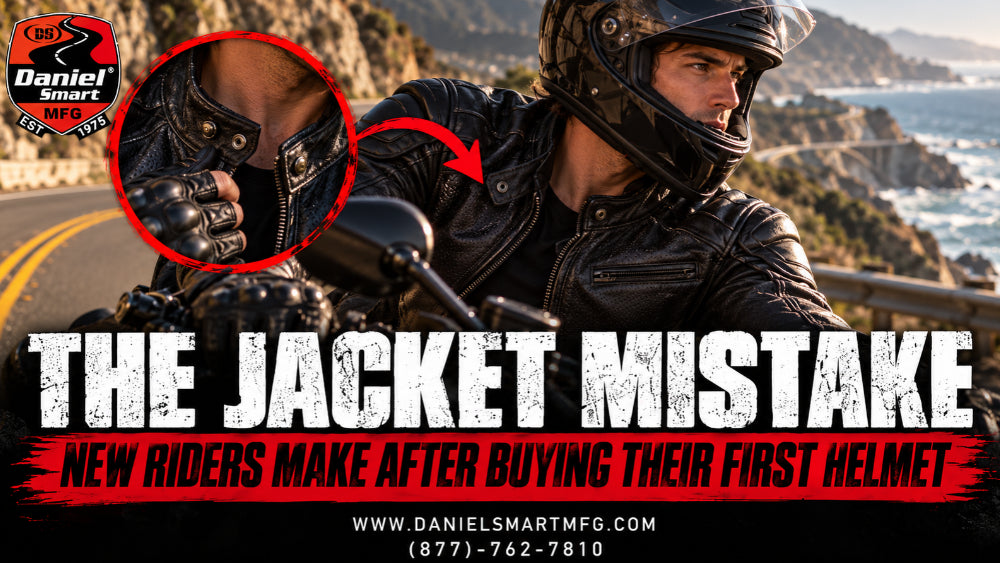
You just spent the money on a top-rated helmet, DOT-certified and maybe even SNELL or ECE 22.06. When you ride with it, you feel safe on the road while looking good. But many riders spend thousands of dollars on helmets while completely neglecting a jacket’s durability. This is when they follow the rule of grabbing the one in the closet.
As a result, your jacket becomes the weakest link in your gear setup.
Do I Need a Motorcycle Jacket After Buying a Helmet?
Yes, you need it for function and not just the looks.
The purpose of a biker jacket comes down to 4 jobs:
-
Abrasion Resistance: The shell should be tough enough to slide on asphalt without tearing or splitting at the seams.
-
Impact Absorption: The armor should spread the force and minimize impact on your shoulders, elbows, and back.
-
Armor Retention: The jacket must keep the armor positioned over the joints when you take a spill.
-
Weather Management: Managing wind, rain, and heat is key to staying alert and actually wanting to wear the gear.
Now, a hoodie, denim jacket, or a trendy leather jacket just can’t deliver on those first three points reliably. Fashion leather tends to be thinner, usually under 1.0 mm, and often lacks armor and has weaker stitching.
In contrast, purpose-built leather motorcycle jackets are typically made from cowhide in the 1.0 to 1.4 mm range, featuring reinforced seams and pockets for armor.
Why Riders Overspend on Helmets and Underthink Jackets
It is more about the mindset than practicality. Lately, we are more inclined towards the vanity features than functional ones. Helmets fit into the vanity category. They're visible, regulated, and advertised everywhere. You can try one and feel the difference right away between a low-cost option and a premium one.
Jackets are different. They are less regulated in the US. And finding the right fit in a showroom can be challenging.
-
Helmets get research
-
Jackets get a quick glance
-
Budget imbalance
This is the main jacket mistake: prioritizing head protection while treating torso and arm protection as an afterthought.
The Real Cost of Ignoring Jacket Fit
Fit isn’t just a matter of style; it’s crucial for safety. If your armor isn’t snug during a crash, it can shift out of place.
A jacket that’s too loose causes armor drift, while one that’s too tight can limit movement and reduce ventilation.
Result? You are protected in theory and not in reality.
-
Motorcycle Jacket Fit and Armor Drift
Getting the right fit for your motorcycle jacket is key to keeping the armor positioned correctly. Motorcycle jacket armor drift happens when the pads slide away from the shoulder or elbow because the jacket’s too loose or the pockets can’t hold the pads in place.
If you crash, a misplaced pad won’t offer protection, so a loose jacket can compromise your safety.
To avoid this, try out this motorcycle jacket fitting test in the store, making sure to wear the layers you’d typically ride in:
-
Armor Position: Shoulder armor should be positioned at the point of the shoulder. Elbow armor should be centered over the elbow.
-
Reach Test: Extend your arms forward as if gripping a handlebar or sit on a bike if the shop allows. Sleeves shouldn't ride up past the wrist, and shoulders shouldn't bind.
-
Shake Test: Grab the sleeve and twist the jacket around your arm. The armor should move just so.
-
Hem and Back: The hem of the jacket should not ride up when you lean forward and show your lower back.
-
Snug, Not Tight: You should be able to breathe and move, but there should be no gaps or bunched fabric.
Try jackets on in person, or choose a retailer with a simple return policy. Sizing can differ widely from one brand to another, and European styles often fit slimmer than you’d expect from US sizes.
-
Motorcycle Jacket Noise and Ventilation
At highway speeds, loose fabric can really whip around, adding to the wind noise that many helmets already amplify into the 90s dB range. That’s loud enough to risk hearing damage over time.
A jacket that fits well, complete with adjustable cuffs and a tailored waist, can help cut down on that flapping and the fatigue that comes with it. And remember, earplugs are still a great idea! Plus, ventilation is crucial because riders often take off or skip gear when they feel overheated.
-
If you're looking for comfort during those hot US summers, mesh textile jackets with AA-rated abrasion panels are the way to go.
-
Perforated leather vents are definitely better than solid leather, but they can still get a bit toasty in humid weather.
-
The great thing is that zip-out liners and vents allow you to use one jacket for three seasons.
-
When the temperature drops, add a windproof layer; wind chill at 60 mph can make it feel much colder.
What a New Rider Should Buy
What motorcycle gear do I need? The usual and simple answer is ATGATT (all the gear, all the time). This includes helmet, jacket, gloves, pants, and boots.
One with CE armor, an EN 17092 rating of A or better, and a snug fit. Which kind of motorcycle jacket for new riders you choose depends on climate and riding style:
-
Hot climate or commuting: Bented textile, Class AA
-
Sport or track days: Leather, Class AAA
-
Mixed weather or touring: Textile with a waterproof liner
Final Fit Check: The 5-Minute Rule
What jacket should a new motorcycle rider wear? Only you can answer it.
Before you buy, you must try it out in a riding position. Try it for a full 5 minutes. Not just 10 seconds. Ask questions like:
-
Does the collar chafe?
-
Do cuffs stay down?
-
Does armor stay put when you twist and reach?
-
Can you breathe deeply without strain?
If something isn’t right, that needs to go. Know that your jacket is your second skin. Treat it like one.
Conclusion
Buying a premium helmet is an important first step, but complete motorcycle protection requires more than head protection alone. When properly fitted, quality motorcycle jackets provide abrasion resistance, impact protection, secure armor placement, and weather management.
Riders should also consider ventilation, comfort, and mobility before choosing their gear. Daniel Smart MFG understands that practical motorcycle gear should balance protection, comfort, and everyday usability.
Whether you commute, tour, or enjoy spirited rides, choose equipment designed for your riding needs and wear it consistently. A well-fitted jacket can complete your protective setup while making every journey more comfortable and confident.
FAQs
1. How should a motorcycle jacket fit when sitting in a riding position?
The jacket should feel snug without restricting movement, and the shoulder and elbow armor should stay correctly positioned. Test it while reaching forward in a riding posture.
2. Can I wear a regular jacket instead of motorcycle-specific protective gear?
Regular jackets usually lack certified abrasion resistance, impact armor, reinforced seams, and secure armor pockets. Motorcycle-specific gear provides protection designed for riding conditions.
3. How can riders stay comfortable while wearing protective jackets in hot weather?
Choose a ventilated textile jacket with abrasion protection, adjustable vents, and removable liners. Good airflow reduces overheating and encourages riders to keep protective gear on.